About Silvia

This author has not yet filled in any details.
So far Silvia has created 37 blog entries.

Window and Large Aluminium and Steel Structure Manufacturers: How to Choose the Right Bending Specialist

Contemporary architecture demands solutions that combine aesthetics, strength, and technical efficiency.

Today, curved façades, large-format enclosures, curtain walls, and special metal structures are a common feature of high-end architectural projects. Making them possible requires much more than manufacturing profiles: it requires a deep understanding of material behaviour, millimetre-level precision, and the ability to develop solutions tailored to each design.

At Mabelux, we have spent more than 35 years specialising in the bending of aluminium and steel profiles for manufacturers, metal fabricators, architectural firms, and engineering companies. Our experience has enabled us to participate in international projects where technical expertise and innovation are essential.

The Evolution of Windows and Metal Structures in Architecture

For decades, metal windows and enclosures primarily served a practical purpose. However, the evolution of architecture has completely transformed their role within buildings.

Today, aluminium and steel windows and structures:

  • define the aesthetics of a façade,
  • improve energy efficiency,
  • maximise natural light,
  • enable organic designs,
  • and contribute to indoor comfort.

This evolution has driven the development of increasingly advanced systems by leading manufacturers and extrusion companies such as TECHNAL, Cortizo, Strugal, Jansen, and Forster Systems.

Thanks to these systems, it is now possible to manufacture:

  • Curved windows
  • Large glazed façades
  • Minimalist enclosures
  • Complex metal structures
  • Fully customised architectural solutions
Aluminium and Steel: Key Materials for Large Structures

The choice between aluminium and steel depends on the specific requirements of each project. Both materials offer distinct advantages and make it possible to develop high-performance solutions.

Aluminium: Lightweight, Durable, and Versatile

Aluminium has become one of the most widely used materials in modern architecture thanks to:

  • its low weight,
  • its corrosion resistance,
  • its ease of fabrication,
  • and its ability to accommodate multiple finishes.

Aluminium window manufacturers increasingly work with profiles that offer high thermal and acoustic performance, particularly in sustainable and energy-efficient buildings.

In addition, aluminium allows for:

  • large glazed surfaces,
  • curved profiles,
  • organic shapes,
  • and minimalist solutions with an excellent strength-to-weight ratio.

Steel: Robustness and Maximum Structural Capacity

Steel stands out for its mechanical strength and structural stability. It is the ideal choice for projects requiring:

  • slender profiles,
  • large spans,
  • enhanced security,
  • or high technical performance.

Steel systems such as those developed by Jansen and Forster Systems are commonly used in:

  • public buildings,
  • infrastructure projects,
  • technical façades,
  • and landmark architectural developments.

Furthermore, steel makes it possible to integrate fire-rated (RF) solutions and advanced security systems while maintaining an elegant and contemporary design.
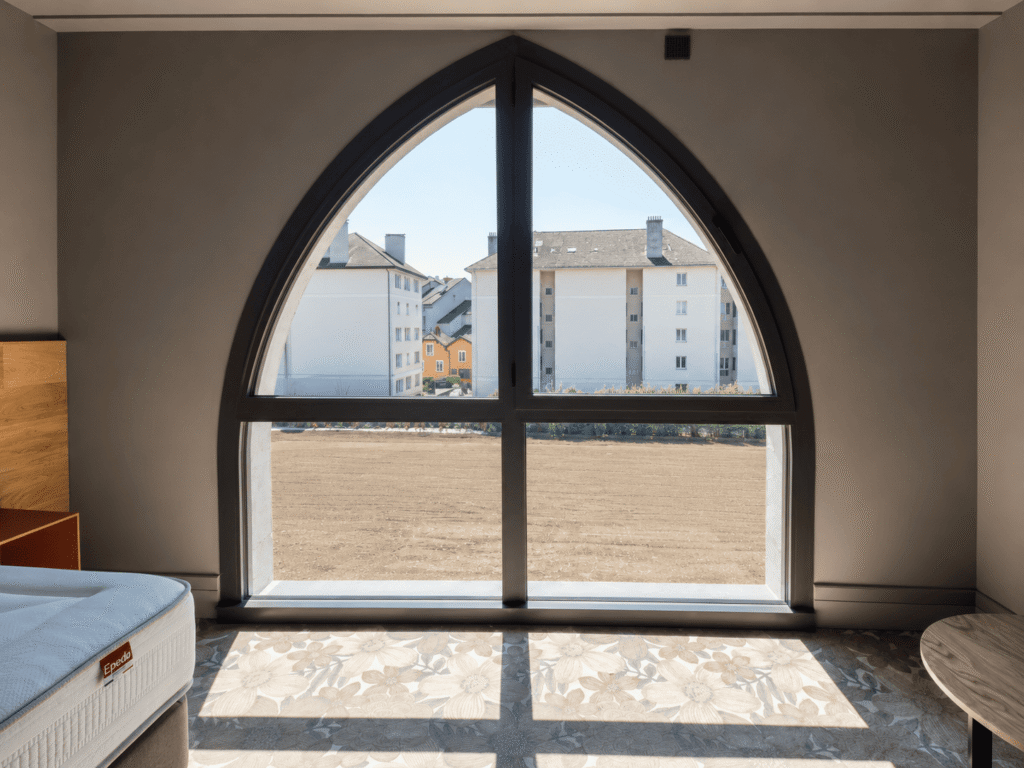
The Importance of Working with Recognised Systems and Brands

One of the key factors in any project is compatibility between the bending process and the original glazing or framing systems.

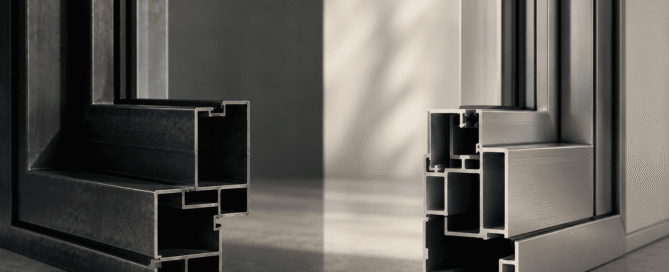
For this reason, Mabelux regularly works with profiles from the leading brands in the industry. Each system presents its own specific characteristics:

  • different geometries,
  • minimum bending radii,
  • variable thicknesses
  • and unique technical requirements.

Our experience working with these systems allows us to adapt the bending process without compromising the performance or final appearance of the system.

Proprietary Technology for Highly Complex Projects

The manufacture of curved windows and large metal structures requires much more than conventional machinery.

At Mabelux, we have developed our own proprietary technology over decades of experience to work with:

  • structural profiles,
  • metal tubes,
  • powder-coated or anodised profiles,
  • and systems with highly complex geometries.

This enables us to collaborate on architectural and industrial projects where precision is essential.

Efficient Architecture and Sustainable Materials

Aluminium and steel stand out not only for their technical performance but also for their contribution to sustainable construction.

Both materials are recyclable and enable the development of energy-efficient solutions.

In addition:

  • modern systems improve thermal insulation,
  • reduce energy losses,
  • and contribute to more sustainable buildings.

The use of high-performance metal façades and enclosure systems directly supports compliance with current energy efficiency and sustainability standards in architecture.
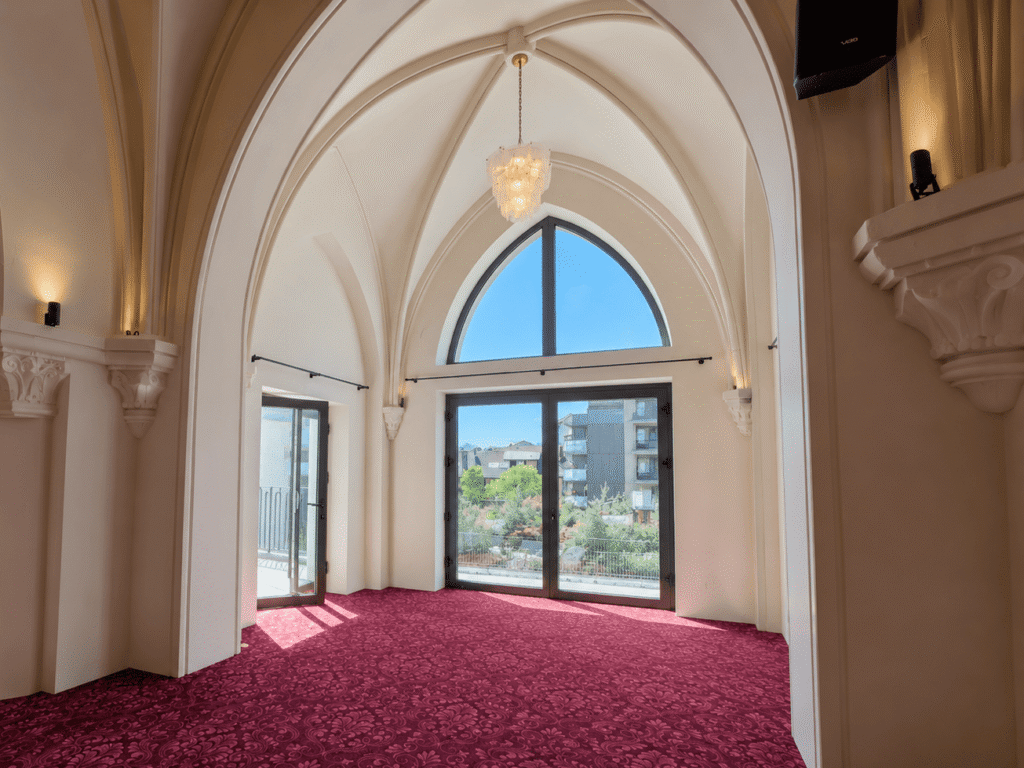
Mabelux: Specialists in Solutions That Transform Architecture

At Mabelux, we continue to transform metal profiles into precise, innovative architectural solutions tailored to the challenges of contemporary architecture.

Because behind every great structure lies a technical process that brings ideas to life.
Window and Large Aluminium and Steel Structure Manufacturers: How to Choose the Right Bending Specialist2026-07-15T13:14:15+02:00

When to Use Steel vs Aluminium in Metal Joinery: Key Factors for Choosing the Right Material

In architecture and construction, the choice of materials directly influences the performance and durability of a project. In the world of metal joinery, two materials stand out above the rest: steel and aluminium.

Both offer significant technical and aesthetic advantages, but each is better suited to specific requirements. Choosing correctly between steel or aluminium joinery can make a substantial difference in aspects such as structural strength, insulation, maintenance, and even architectural design.

At Mabelux, we have been working with the bending of aluminium and steel profiles for architectural, construction, and industrial projects for more than 35 years. This experience has given us an in-depth understanding of the behaviour of both materials and allowed us to collaborate with systems from leading brands such as Jansen, Forster Systems, Technal, Cortizo, and Strugal.

So, when should you choose steel, and when is aluminium the better option? Let’s take a closer look.

Steel and Aluminium: Two Materials with Very Different Characteristics

Although both materials are widely used in metal joinery, their properties differ significantly, making each one more suitable depending on the type of project.

Steel: Maximum Strength and Structural Robustness

Steel is one of the strongest materials used in construction and architecture. Its high structural capacity makes it possible to manufacture slimmer profiles capable of supporting heavy loads.
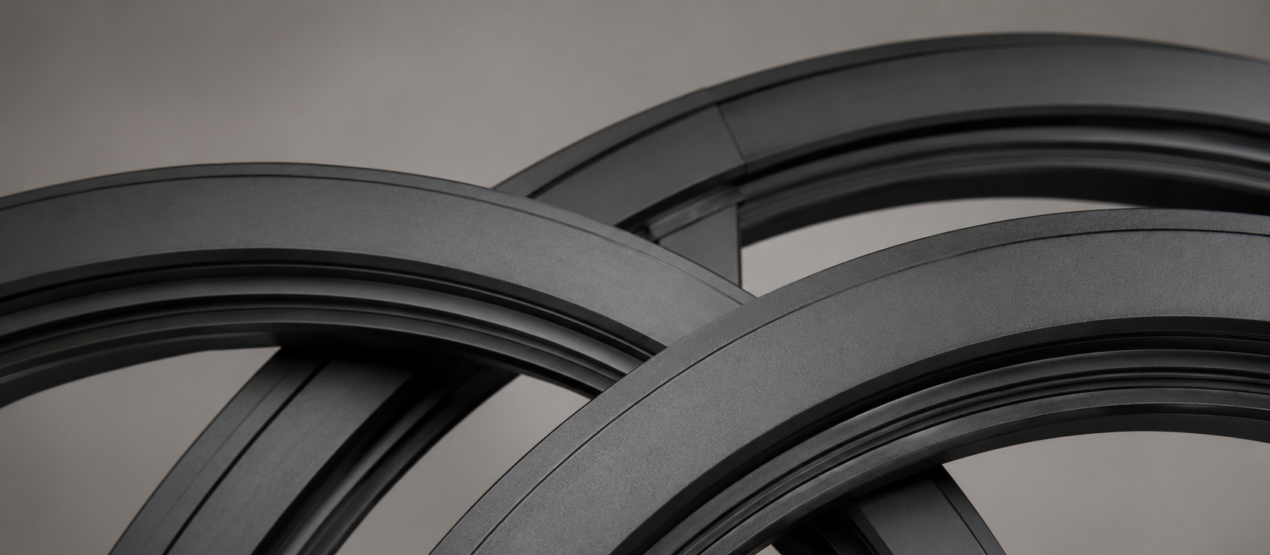
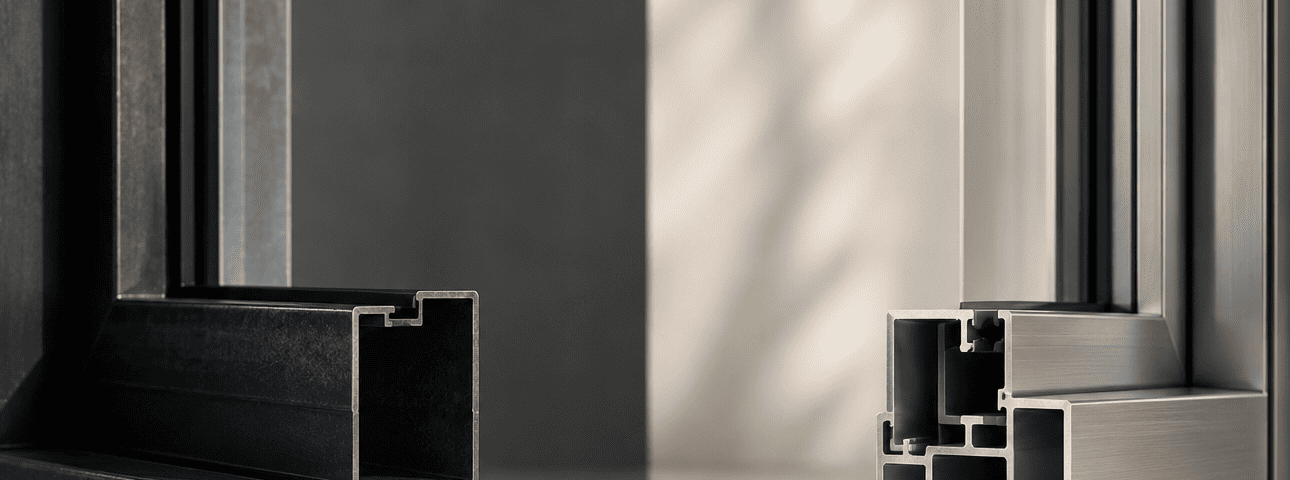
This makes it an ideal solution for:

  • Large-scale projects.
  • Façades and curtain walls.
  • High-security enclosures.
  • Structures subjected to significant stresses.
  • Fire-rated (RF) and bullet-resistant systems.

In addition, steel offers an aesthetic highly valued in contemporary and industrial architecture, especially in projects where minimalist profiles and elegant lines are desired.

At Mabelux, we regularly work with steel systems from brands such as Jansen and Forster Systems, which are widely used in high-level technical and architectural projects.

Aluminium: Lightweight, Versatile, and Efficient

Aluminium stands out primarily for its light weight and versatility. It is easy to handle and highly resistant to corrosion.

Aluminium joinery is particularly suitable for:

Furthermore, aluminium allows for a wide range of finishes, powder coatings, and anodised treatments, significantly expanding aesthetic possibilities.

Systems from brands such as Technal, Cortizo, Aluminios Barcelona, Reynaers Aluminium, and Strugal offer aluminium profiles capable of combining design, energy efficiency, and advanced technical performance.

When to Choose Steel in Metal Joinery

Steel is often the best choice when a project requires high structural performance or demanding technical specifications.

Large Spans and Complex Structures

Thanks to its high mechanical strength, steel makes it possible to cover large dimensions using slimmer profiles.

This is essential for:

  • Glazed façades.
  • Curved curtain walls.
  • Metal roofing systems.
  • Unique architectural structures.

In projects involving curved shapes or complex radii, steel bending provides exceptional stability and precision.

Safety and Protection

Steel is indispensable in applications requiring:

  • fire resistance,
  • bullet protection,
  • enhanced security,
  • or high impact resistance.

Fire-rated and security steel profiles are commonly used in airports, public buildings, infrastructure projects, and industrial facilities.

When to Choose Aluminium in Joinery

Aluminium is an extremely versatile and efficient solution for projects where lightweight construction, energy efficiency, and ease of maintenance are priorities.

Efficient Windows and Enclosures

Modern aluminium joinery offers excellent thermal and acoustic performance, particularly when incorporating thermal break technology. As a result, it is one of the most widely used solutions in residential buildings, hotels, offices, and sustainable developments.

In addition, aluminium makes it possible to manufacture curved windows and customised systems with great precision.

Projects Where Weight Matters

Aluminium weighs considerably less than steel. This offers important advantages in:

  • building renovations,
  • lightweight façades,
  • suspended structures,
  • and projects where reducing structural loads is a priority.

Which Material Is Better for Curved Profiles?

Both steel and aluminium deliver excellent bending results, but each material performs better depending on the application.

Steel Bending: Precision and Stability

Steel is ideal for:

  • complex structures
  • large radii
  • high-strength applications,
  • and projects where structural stability is a priority.

Its rigidity allows very precise tolerances to be maintained, even in large-scale components.

Aluminium Bending: Flexibility and Lightweight Performance

Aluminium stands out for its ability to adapt to more fluid and organic designs.

It is widely used in:

Thanks to modern aluminium profile bending technologies, it is possible to achieve complex radii while maintaining high-quality finishes, even on powder-coated or anodised profiles.

Steel and Aluminium: A Choice That Depends on the Project

There is no universally superior material. The choice between steel and aluminium always depends on factors such as:

  • Structural requirements
  • Architectural design
  • Budget
  • Climate and environmental conditions

In many projects, both materials are even combined to take advantage of the strengths of each.

That is why it is essential to work with a technical team capable of analysing each case and recommending the most appropriate solution.

Mabelux: Expertise in Steel and Aluminium Bending for Unique Projects

Modern metal joinery demands increasingly technical, efficient, and customised solutions. Both steel and aluminium offer enormous possibilities, but making the right choice is essential to guarantee the performance and durability of every project.

At Mabelux, we help turn that decision into real, precise solutions tailored to every requirement.

When to Use Steel vs Aluminium in Metal Joinery: Key Factors for Choosing the Right Material2026-06-05T12:32:25+02:00

Discover the Applications and Benefits of Industrial Aluminium and Steel Bending

Industrial metal profile bending has become a key solution for sectors looking to combine strength, precision, and design freedom. Thanks to technological advances in bending machinery and processes, it is now possible to transform aluminium and steel profiles into complex components capable of meeting the demands of highly challenging architectural, industrial, and technical projects.

Far from being limited to metal joinery or decorative solutions, industrial bending is widely used in transportation, urban furniture, industry, infrastructure, and the manufacturing of technical equipment.

Why Aluminium and Steel Are Ideal Materials for Industrial Bending

The success of industrial bending is largely due to the properties of the materials used. Both aluminium and steel offer technical advantages that make them particularly efficient for complex applications.

Aluminium: Lightweight and Flexible for Versatile Projects

Aluminium stands out for:

  • its low weight,
  • its corrosion resistance,
  • its ease of machining,
  • and its ability to adapt to complex geometries.

These characteristics make it possible to manufacture lightweight yet durable curved profiles, ideal for applications where weight reduction is important without compromising stability.

In addition, aluminium allows for:

  • tight bending radii,
  • anodised or powder-coated finishes,
  • and a wide variety of customised designs.

For this reason, aluminium bending is widely used in architecture, transportation, urban furniture, and industrial systems.

Steel: Maximum Strength for Demanding Applications

Steel provides high mechanical strength and excellent structural stability. It is the ideal solution for:

  • large structures,
  • security systems,
  • technical façades,
  • and projects subjected to heavy loads.

Steel bending makes it possible to produce robust profiles while maintaining precision and geometric continuity, even in large-scale components. At Mabelux, we regularly work with Jansen and Forster Systems steel profiles, highly valued in high-performance architectural and technical projects.

Sectors Where Industrial Bending Has the Greatest Application

Metal profile bending is present across numerous industrial and architectural sectors. Its ability to adapt to different geometries and technical requirements makes it a versatile solution for a wide range of applications.

Industry and Machinery Manufacturing

The industrial sector requires components that are strong, precise, and capable of integrating into production lines and technical machinery.

Industrial bending makes it possible to manufacture:

  • Chassis
  • Support structures
  • Frames
  • Metal guards
  • Conduit systems
  • Machinery components

The precision of modern bending technologies ensures minimal tolerances and excellent repeatability in serial production.

In addition, the use of curved profiles often reduces the number of joints and components required, optimising assembly and maintenance times.

Transportation: Lightweight Structures and Energy Efficiency

Curved aluminium is widely used in the transportation sector thanks to its lightweight properties.

In automotive, railway, marine, and public transportation applications, profile bending is used to manufacture:

  • Internal structures
  • Frames
  • Bodywork profiles
  • Frameworks
  • Handrails
  • Technical components

Furthermore, bending makes it possible to accommodate the aerodynamic designs and complex geometries that are increasingly common in this sector.

Urban Furniture

Contemporary urban design increasingly favours organic shapes and structures that integrate visually into their surroundings.

Curved profiles also make it possible to create customised designs that are difficult to achieve using traditional materials or systems.

Serial Production and Custom-Made Projects

One of the greatest advances in modern industrial bending is its ability to combine customisation with repeatability.

Thanks to state-of-the-art machinery, it is now possible to:

  • manufacture prototypes,
  • produce small batches,
  • or develop highly precise repetitive industrial production runs.

This is especially important in sectors where consistent quality and tight production schedules are essential.

Mabelux: Industrial Bending Solutions for Demanding Projects

At Mabelux, we work closely with manufacturers, architects, engineering firms, construction companies, and metal fabricators.

Our international experience and technical expertise enable us to develop solutions tailored to a wide range of sectors.

Because behind every curve, there is much more than design:
there is precision, technology, and technical expertise applied to every project.

Discover the Applications and Benefits of Industrial Aluminium and Steel Bending2026-06-01T10:26:12+02:00

Discover the latest developments in steel bending: innovation and precision in modern architecture

The world of architecture and construction is constantly evolving. Today’s projects require technical solutions that combine aesthetics, strength, and sustainability. In this context, the bending of steel profiles has become an essential technique for shaping façades, structures, enclosures, and industrial elements that transform urban and residential spaces.

At Mabelux, with more than 35 years of experience, we specialize in steel bending. We have the technical resources and know-how required to work with profiles from different brands on projects of any scale, including RF (fire-rated) and bullet-resistant steel profiles. We collaborate with renowned manufacturers such as Jansen and Foster, enabling us to deliver top-quality solutions for demanding architectural and industrial projects.

Steel’s ability to adapt to different needs

Steel is an essential material in construction and industry thanks to its strength, durability, and versatility. Its ability to withstand extreme loads without deforming makes it an ideal choice for bending, allowing the creation of complex structures and customized profiles.

This material not only guarantees stability and functionality, but also offers design flexibility, adapting to large-scale architectural and industrial projects. In addition, steel is infinitely recyclable, reinforcing its role as a sustainable solution at a time when reducing environmental impact is a global priority.

At Mabelux, we leverage these qualities to provide steel bending solutions that combine precision, quality, and environmental commitment.

Advantages of curved steel profiles

Steel bending offers technical, economic, and aesthetic benefits that make it a strategic option for architects, engineers, and developers:

  • Sustainability: as a 100% recyclable material, curved steel is an environmentally friendly option aligned with sustainable construction goals.
  • Easy installation and maintenance: curved profiles are designed for efficient assembly, reducing construction and maintenance time.
  • Strength and durability: steel can withstand heavy loads and extreme weather conditions, making it ideal for long-lasting structures.
  • Design flexibility: it allows for unique shapes and adapts to the demands of complex architectural projects.
  • Cost optimization: steel bending enables the use of less material without compromising stability, minimizing overall project costs.

Applications of steel bending

Curved steel opens up a wide range of possibilities across different sectors:

  • Storage and logistics: silos, tanks, and curved structures that maximize storage capacity and ensure safe handling of materials.
  • Architectural structures: curved façades, roofs, beams, and columns that provide design, stability, and strength to modern buildings and landmark projects.
  • Infrastructure: bridges, tunnels, and walkways that require robust, durable materials capable of supporting heavy loads.
  • Industrial equipment: curved components for machinery, production lines, and transport systems used in sectors such as railway, energy, and manufacturing.
  • Enclosure systems: doors, windows, and partitions made from curved steel to ensure functionality, insulation, and aesthetics in residential and commercial buildings.

These applications make curved steel a comprehensive solution capable of meeting the highest demands in architecture, construction, and industry.

Discover all the possibilities of curved steel profiles

At Mabelux, we use state-of-the-art machinery that allows us to carry out complex bending processes on structural, stainless, and galvanized steel profiles. Our experience has led us to collaborate on landmark projects across Europe, where curved steel has been key to achieving innovative and functional designs.

From corporate building façades to transport infrastructure, curved steel has become synonymous with reliability and technical excellence.

Discover the latest developments in steel bending: innovation and precision in modern architecture2026-03-02T11:45:09+01:00

Where does the need to create an arch in architecture come from? A journey through history that leads us to today’s curves

From antiquity to contemporary architecture, the arch has been one of the most revolutionary construction elements. Its curved form is not merely an aesthetic choice: it stems from a structural, technical, and functional necessity that has accompanied humankind for centuries.

Today, curved solutions continue to evolve thanks to technologies such as the bending of aluminum and steel profiles, which allow a millennia-old concept to be reinterpreted for modern projects.

The origin of the arch as a millennial structural solution

Although the arch is often associated with the Roman Empire, its earliest appearances date back much further. It was already used in ancient Mesopotamia and in constructions of ancient Egypt, where it served as a solution for covering spaces without relying on large wooden beams, which were scarce in certain regions.

The key was simple yet revolutionary:
a curved shape allows loads to be distributed toward the ends, preventing the structure from collapsing under its own weight.

The semicircular arch: the Roman legacy that changed history

The semicircular arch, stable and perfectly proportioned, became one of the symbols of Roman engineering. Its ideal shape made it possible to:

  • Support heavy loads.
  • Build aqueducts, bridges, and amphitheaters.
  • Create larger interior spaces.

This design worked so well that many of its arches are still standing more than 2,000 years later.
Each stone voussoir transferred the load outward and downward, creating a robust and durable structure. This same principle would later inspire the search for new curves in different architectural styles.

The pointed arch: height and light in Gothic architecture

During the Middle Ages, a new need emerged: to raise buildings higher and allow light to flood temples.

From this pursuit came the pointed arch, first used in Islamic architecture and later adopted by European Gothic style.

This arch, formed by two curves meeting at a vertex, offered structural advantages over the semicircular arch:

  • it distributed weight more effectively downward and less toward the sides,
  • it allowed for thinner walls,
  • it made room for enormous windows,
  • and it enabled the monumental heights of cathedrals and cloisters.

Once again, curved forms arose from functional necessity, not merely decoration. Iconic examples include Notre Dame Cathedral in Paris and Burgos Cathedral.

Segmental, parabolic arches and the birth of new geometries

With the Renaissance -and especially with modern architecture- arches evolved into new variations:

  • Segmental arch: lower and more streamlined, ideal for doors and passageways.
  • Elliptical arch: common in palaces and theaters, with an elegant aesthetic.
  • Parabolic arch: popularized by Gaudí and 20th-century engineering, where the curve responds to precise structural calculations.

These new forms reflect how the pursuit of the curve has been a constant throughout history:
technology, aesthetics, innovation, and functionality advance together.

The curve in contemporary architecture: new technologies, new possibilities

Today, the need to create arches and curved forms remains alive, but with entirely different tools.

Thanks to technologies such as metal profile bending, these shapes can now be reproduced with millimetric precision. The use of curved aluminum and steel profile has allowed curves to be incorporated into:

  • ventilated façades,
  • railings and handrails,
  • curtain walls,
  • metal structures,
  • windows and doors,
  • and interior design solutions.

Unlike the stone of antiquity, metals provide millimetric precision, visual continuity, and lightness.

Curved structures are no longer limited to structural purposes: today, the curve is an aesthetic, functional, and technological resource that defines the language of contemporary architecture.

From the Roman arch to today’s curved façades, driven by the same purpose

Throughout history, arches and curved forms emerged to solve specific challenges: spanning large distances, supporting loads, gaining height, allowing light in, enhancing aesthetics, or creating more fluid spaces.

That same spirit continues today when architects and designers turn to metal profile bending to shape unique projects.

At Mabelux, we continue the tradition of working with the curve

With more than 30 years of experience, we transform steel and aluminum profiles into solutions that unite technology, precision, and design.

Our commitment is to keep expanding the possibilities of curvature, adapting it to today’s architectural and industrial challenges.

Where does the need to create an arch in architecture come from? A journey through history that leads us to today’s curves2026-02-24T10:51:56+01:00

Curving in signage and urban furniture

Modern urban design demands technical solutions that combine functionality, aesthetics, and durability. In this context, the curving of metal profiles has become an essential technique for manufacturing urban elements such as signage, lighting, and street furniture. Thanks to the versatility of curved aluminum and curved steel, it is possible to create structures that integrate harmoniously into public spaces, adding architectural value and structural strength.

How curving is integrated into urban elements

The curving of aluminum and steel profiles makes it possible to transform rigid materials into fluid, adaptable forms. This technique is applied in urban architecture projects, where functional elements – such as posts, signs, canopies, or luminaires – must visually integrate into their surroundings.

At Mabelux, we work with aluminum and steel profile bending machines that allow us to manufacture customized components for each project. From the curving of aluminum tubes for signage to the curving of structural profiles for canopies, our technology guarantees precision and quality in every piece.

In addition, the curving of metal profiles facilitates adaptation to organic designs, which are highly sought after in contemporary public spaces. This structural flexibility allows architects and designers to explore new forms without compromising strength or durability.

Totems, benches, canopies and more: real examples

The application of curving in urban furniture is broad and diverse. At Mabelux, we have participated in projects that include:

  • Curved information totems, with integrated lighting and anodized finishes for outdoor use.
  • Urban benches manufactured with curved profiles that enhance ergonomics and provide a distinctive design.
  • Canopies for public transport, where the curving of composite aluminum profiles allows for lightweight yet robust structures.
  • Streetlights and luminaires with curved arms that optimize light distribution in parking areas, offices, and pedestrian zones.

These elements not only fulfill practical functions but also contribute to the visual identity of each urban space.

Durable and resistant materials for outdoor use

The use of anodized aluminum and curved galvanized steel ensures high resistance to weather conditions, corrosion, and wear. These materials are ideal for outdoor installations, where climatic conditions can be demanding.

At Mabelux, we apply treatments such as powder coating and anodizing to enhance the durability of curved profiles. We also work with curved stainless steel tubes for projects that require maximum mechanical strength.

Sustainability is also a key factor: both aluminum and steel are recyclable materials, helping to reduce the environmental impact of each project. The curving of metal profiles thus becomes an efficient and environmentally responsible technical solution.

Applications in lighting and signage

Aluminum curving has revolutionized the urban lighting sector. Thanks to its malleability, it is possible to manufacture profiles that become:

  • Curved luminaires and spotlights, with organic designs that integrate into façades, corridors, and common areas.
  • Structures for signage, such as illuminated signs and lettering with integrated LED lighting.
  • Decorative elements that combine light and design in public and private spaces.

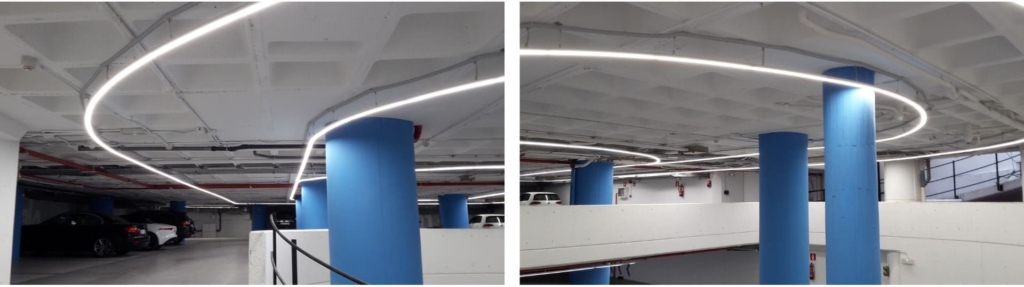
At Mabelux, we curve aluminum profiles for luminaires used in parking facilities, offices, and commercial areas. These elements stand out for their contemporary aesthetics and energy efficiency, incorporating LED lighting systems into curved structures.

Mabelux, a technical partner in urban design

With more than 35 years of experience, Mabelux has positioned itself as a benchmark in the curving of aluminum and steel profiles for architecture, industry, and urban furniture. Our technical capabilities allow us to work with pre-lacquered profiles, rectangular tubes, structural profiles, and extruded aluminum components.

We operate five state-of-the-art bending machines capable of performing complex curving operations, including tight radii and customized shapes. This enables us to collaborate with architectural firms, municipalities, and construction companies on signage, lighting, and urban furniture projects.

Curving in signage and urban furniture2026-02-05T13:53:25+01:00

2 Landmark projects with architecture firms in France

At Mabelux, we are specialists in the curving of aluminum profiles and steel curving for large-scale projects.

Our experience allows us to tackle complex projects with customized solutions, both technically and aesthetically. Today, we share two major projects in France where our technology and know-how have played a key role: the Université d’Aix-en-Provence Library and La Canopée des Halles in Paris.

Université d’Aix-en-Provence Library: curved façades that integrate nature and architecture

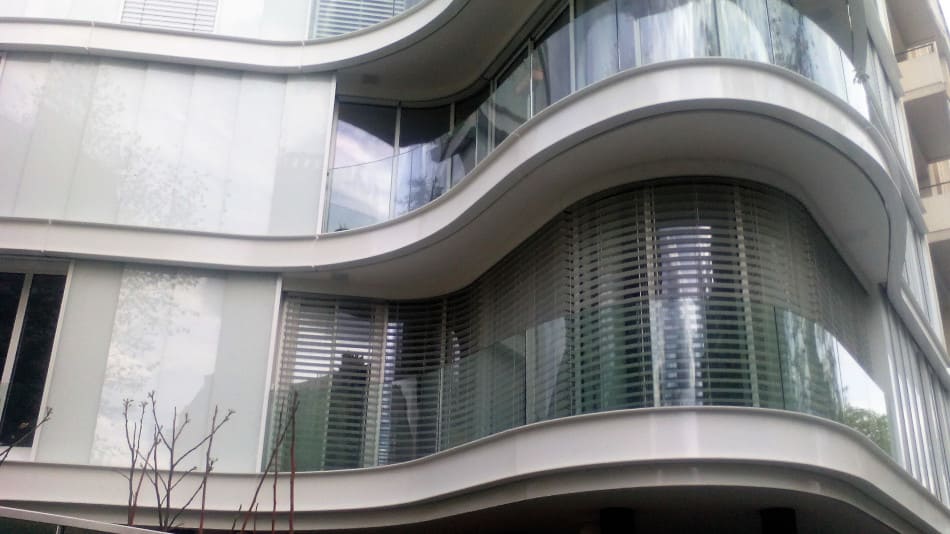
The city of Aix-en-Provence, in southern France, launched the “Fenouillères” urban development project to unify its university campus through new buildings: a media library, a restaurant, and a student residence.

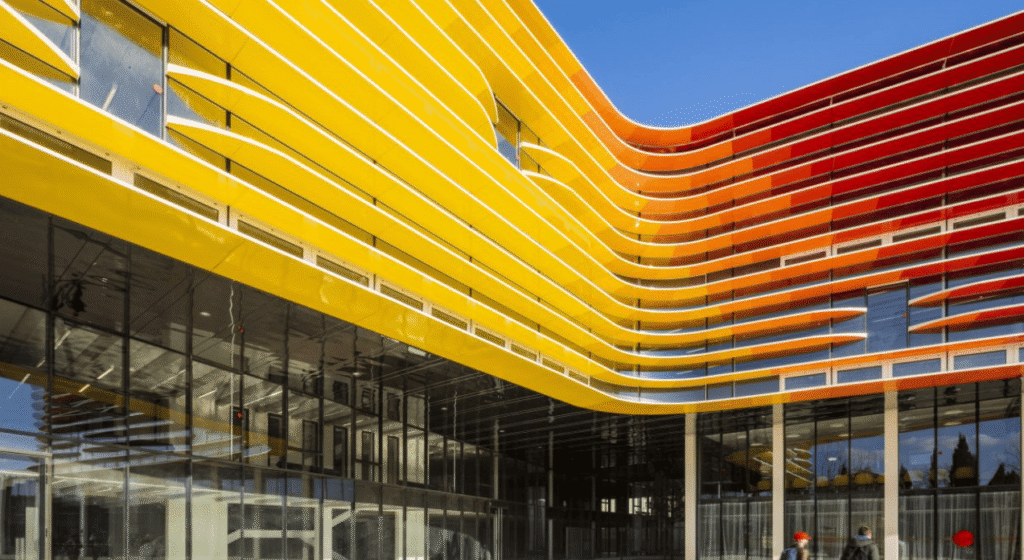
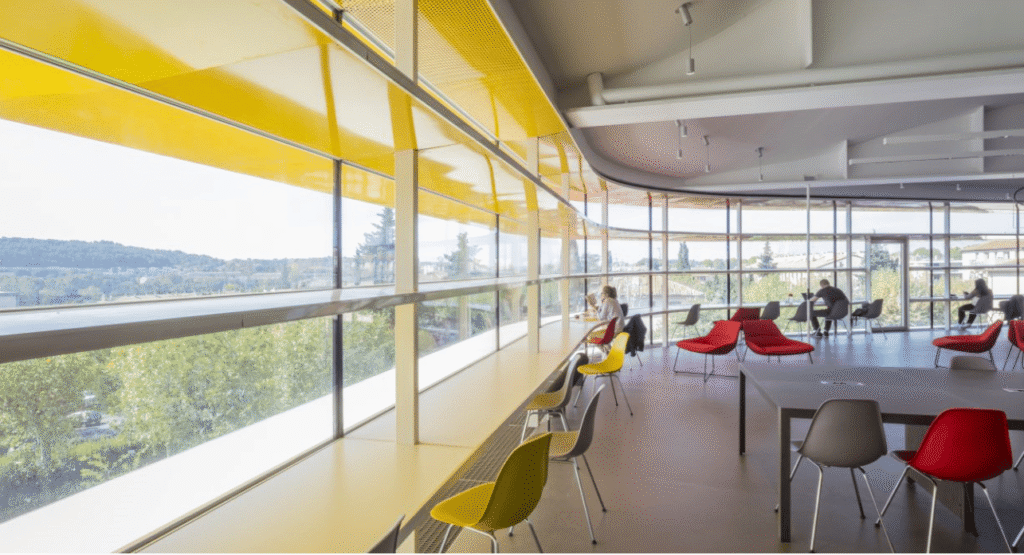
The architectural firm ANMA – Agence Nicolas Michelin & Associés designed a group of buildings distinguished by their curved glass façades, conceived to simulate a vegetal landscape through a play of concave and convex forms in different tones.

In addition, the use of these curved façades not only provides a unique visual identity to the campus, but also improves the buildings’ energy efficiency by maximizing the use of natural light and reducing the need for artificial lighting.

Profile curving for a glass curtain wall

At Mabelux, we carried out the curving of aluminum profiles to support the glass structure of these façades. Profile curving for this type of enclosure requires a high level of precision and reliability. Among the main challenges we undertook were:

  • High-precision aluminum curving for complex radii.
  • Structural integration without compromising energy efficiency.
  • Use of durable and resistant materials.

This project demonstrates how the curving of structural profiles can transform architecture, enhancing both aesthetics and sustainability.

Thanks to our aluminum profile bending machines and proprietary technology, we were able to successfully execute a smooth and continuous curving process, perfectly aligned with the aesthetic and technical requirements of the project.

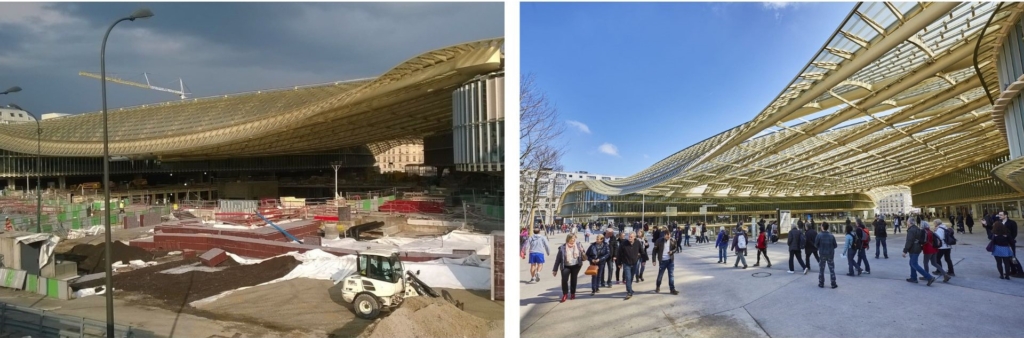
La Canopée des Halles: the curved roof that redefines the center of Paris

The Forum des Halles, located in the heart of Paris, is one of the most frequented spaces in the French capital. Over the years, it has evolved from a traditional market into a shopping center, cultural hub, and civic meeting place.

In its latest transformation, the renovation project included the construction of La Canopée, a large-scale undulating roof that redefines the urban landscape of the district. This structure unifies the Forum des Halles complex and connects it with the city.

A monumental structure of glass and steel

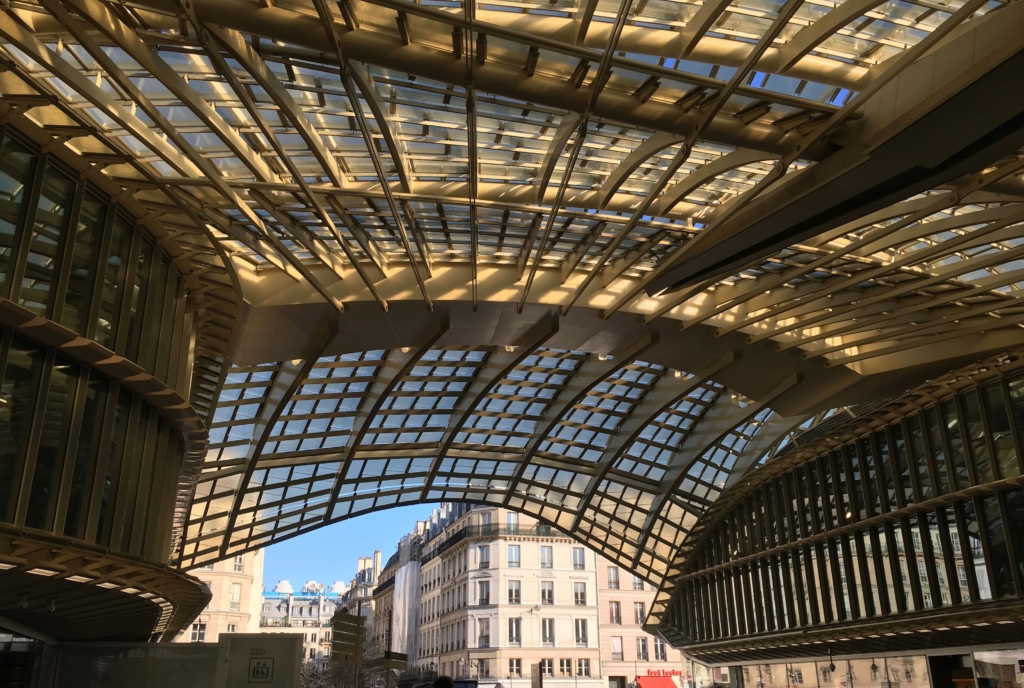
The curved metal roof measures 500 meters in length and reaches a height of 24 meters, extending between two lateral wings that form a large open space facing the Châtelet–Les Halles square.

It is composed of a deep truss structure, with a dense network of curved beams that support more than 18,000 glass panels, filtering natural light and creating a bright and welcoming atmosphere.

This type of construction requires extremely precise engineering and manufacturing work, especially in the metal components that support the roof.

3D aluminum curving for glass structures

For this technical challenge, we manufactured:

  • 3D curved aluminum frames.
  • Curved VEC frames for integration with spherical glass.

The process required:

  • High-quality finishes, respecting the golden and sophisticated aesthetic of the structure.
  • Three-dimensional curving of aluminum profiles with minimal tolerances.
  • Perfect adaptation to the organic shapes of the metal roof.

Mabelux, international presence with a forward-looking vision

Thanks to our technology and decades of experience, at Mabelux we give shape to projects that require aluminum curving for curtain walls, structural profile curving, and high-precision solutions with 3D models.

In every project we undertake, we strive to overcome technical challenges with precise, efficient, and sustainable solutions.

Because at Mabelux, we don’t just curve aluminum: we shape the architecture of the future.

2 Landmark projects with architecture firms in France2026-02-05T13:52:56+01:00

Did you know it’s possible to make curved railings? Here’s how we do it

In architecture and design, every line matters. And when we talk about curved lines, we’re talking about structures with fluidity, movement, and elegance. Curved railings, once considered difficult or costly to produce, are now a reality thanks to technological advances in metal profile bending.

Increasingly present in today’s projects, these railings are perfect for staircases, balconies, or terraces. They can be made from aluminium or stainless steel with millimetre precision, preserving both safety and the original design aesthetic.

In fact, it’s possible to bend:

  • Balcony railings.
  • Curved handrails adapted to helical staircases or ramps.

Let’s explore the differences between straight and curved railings, their many applications, and how they can be tailored to suit any project.

Curved vs. straight railings: what’s the difference?

The most obvious difference between a straight and a curved railing is visual—but it goes much further.

Straight railings are more common and easier to install. They work well with linear structures and are often the default option in basic residential or commercial construction.

Curved railings, on the other hand:

  • Adapt to structures with organic or circular shapes.
  • Integrate better with elements like spiral staircases, continuous ramps, or semi-circular balconies.
  • Present a greater technical challenge—but also a greater opportunity to stand out.

Thanks to advanced bending machinery, they can now be manufactured with the same precision, safety, and durability as straight railings.

Custom solutions for every project: curved railings to fit your needs

Curved railings combine design, safety, and durability, and can be customised based on the environment and technical requirements.

Adaptable, versatile design

Curved railings can be installed indoors or outdoors and adapt to any space layout. Whether it’s a curved exterior railing for a balcony or an interior feature for a designer staircase, their shape does not compromise functionality.

High-quality materials

Both aluminium and steel are excellent choices for bending. These materials are strong, durable, recyclable, and low-maintenance. Their excellent resistance to corrosion also makes them a safe and sustainable option.

Custom finishes

Profiles can be powder-coated or anodised in a wide variety of colours and finishes. This allows each railing to perfectly match the building’s style—whether modern, classical, minimalist, or industrial.

Key applications of curved railings

Curved railings appear in a wide range of architectural projects:

  • Curved or helical staircases
  • Balconies and terraces with rounded shapes
  • Access ramps or walkways
  • Decorative handrails

Discover the curved railings at The St. Regis Cap Cana Resort with Technal’s GYPSE profiles

One of our most recent projects was our collaboration in the construction of The St. Regis Cap Cana Resort , a luxury hotel in the Dominican Republic. For this project, we curved Technal’s GYPSE series profiles, which were used to manufacture the exterior railings.

Technal’s GYPSE series: design meets strength

The GYPSE series is a patented railing system that offers secure solutions with high aesthetic value. Key features include:

  1. Sleek design with 50 x 24 mm anchor points and hidden fixings
  2. Multiple combinations of handrails, infill panels, and mounting systems
  3. High versatility for balconies, stairs, terraces, and safety barriers
  4. Various infill options: glass, metal sheet, bars, etc.

Thanks to the bending work done, the railings at the resort maintain a fluid design that blends seamlessly with the tropical architecture, without compromising on structural integrity or safety regulations.

Think your railing can’t be curved? At Mabelux, we make it possible

At Mabelux, we’ve been shaping metal profiles for all kinds of architectural projects for over 30 years. We’ve developed our own bending machinery, allowing us to tackle challenges that others might consider impossible.

Our experience includes:

  • Bending of railings, handrails, façades, curtain walls, and metal structures.
  • Projects across five continents.
  • Working with high-end aluminium and steel profiles, even pre-lacquered or anodised.

If you’re designing a building with curved shapes or need a one-of-a-kind decorative railing, Mabelux can help you make it a reality.

Whether it’s a stainless steel railing, an outdoor aluminium handrail, or a custom curved profile, we can provide a technical and aesthetic solution tailored to your project.

Mabelux: precision, expertise, and innovation in every curve.

Did you know it’s possible to make curved railings? Here’s how we do it2026-02-02T13:09:49+01:00

3 outstanding bending projects in modern architecture in Spain

In modern architecture, curved structures have gained prominence, bringing dynamism and fluidity to contemporary designs. These forms not only challenge traditional structures but also involve significant technical complexities.

Integrating curved elements in buildings requires the application of advanced construction techniques. Therefore, the manufacturing and bending of metal profiles demand precision and expertise to ensure that each component fits perfectly with the architectural design.

Our specialization in aluminum and steel profile bending has allowed us to collaborate on large-scale projects in Europe and America, working alongside architects and builders to bring to life structures that push the limits of technique and aesthetics. From curved curtain walls to curved façades and complex metal structures, we deliver innovative solutions that combine functionality and design.

If you want to explore some architectural projects in Spain where we’ve applied our expertise in bending aluminum and steel profiles, keep reading — we’ll walk you through them.

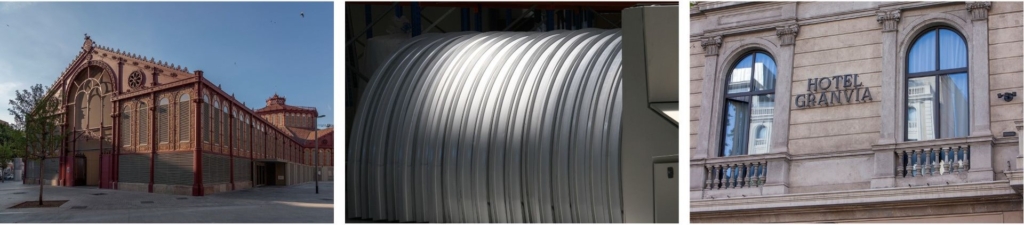
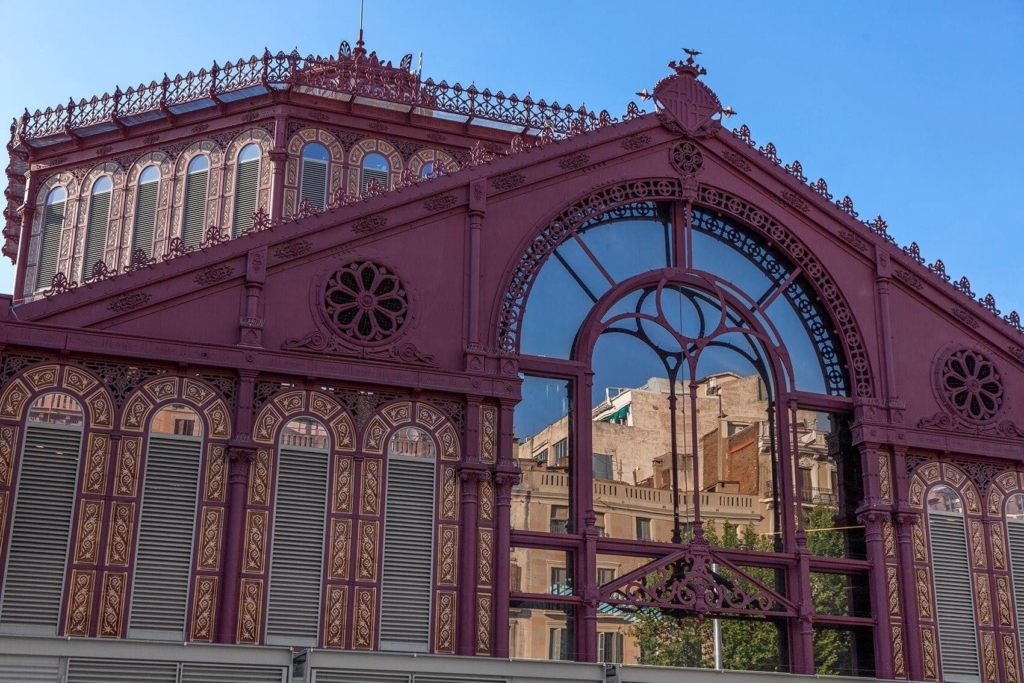
Sant Antoni Market: history, modernization, and Mabelux’s contribution

The Sant Antoni Market, located in the heart of Barcelona, is one of the city’s most iconic commercial structures. Designed by architect Antoni Rovira i Trias, its construction began in 1879 as part of the Cerdà Plan — an ambitious urban expansion project following the demolition of the city’s old walls.

Inaugurated in 1882, the market was the first in the city to be established outside the old town, becoming a major supply center. Over the years, it has been a point of reference not only for fresh food trade but also for textiles, books, and collectibles — giving rise to the Sant Antoni Encants Market and the Sunday Book Market.

With its iconic iron structure and Greek cross layout, the Sant Antoni Market has witnessed Barcelona’s commercial and urban growth.

A modernization process with archaeological challenges

In 2007, an ambitious rehabilitation project began, aiming to modernize the market’s facilities without losing its historical essence. During excavation work, important archaeological remains were discovered, including: the Roman Via Augusta, a Roman necropolis, and the San Antonio bastion.

These findings significantly delayed the works, extending the restoration process until 2018.

Today, the Sant Antoni Market is a fully renovated space that preserves its historical essence while offering a modern and efficient infrastructure.

Mabelux’s contribution: bending stainless steel profiles for a renewed market

During the market’s renovation, Mabelux was responsible for bending stainless steel profiles by the brand Jansen, used in numerous curved windows throughout the building.

This work enabled:

  • Respecting the market’s original aesthetics by maintaining its historical design.
  • Improving structural and thermal efficiency, ensuring optimal insulation in a large-scale space.
  • Integrating high-quality materials such as curved stainless steel, offering durability and resistance to weather changes and corrosion.

The use of curved steel profiles allowed the market to maintain its identity while implementing modern enclosure solutions. Thanks to the precision of steel bending, the profiles could be adapted to the project’s requirements, achieving perfect integration with the original iron structures.

Barcelona-El Prat Airport: innovation in infrastructure

Barcelona-El Prat Airport is the second busiest airport in Spain. With millions of passengers per year, it has become a key international hub in European air traffic.

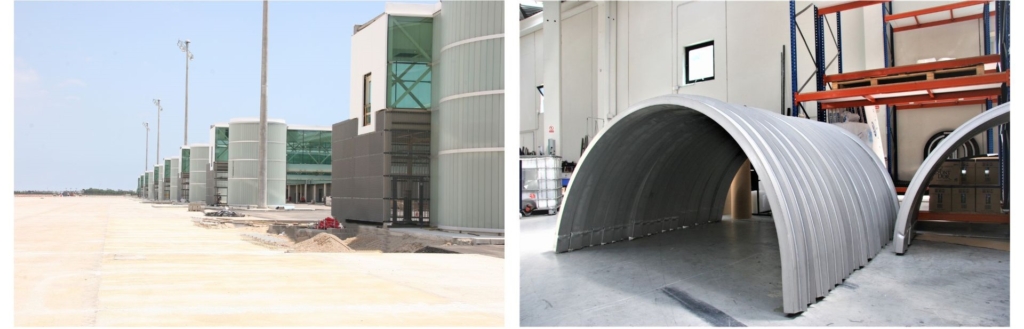
As part of its modernization and expansion plan, Terminal T1 was built, designed by the prestigious Ricardo Bofill Taller de Arquitectura. This terminal stands out not only for its cutting-edge design and operational efficiency but also for its use of innovative architectural materials and solutions that ensure functionality, safety, and aesthetic appeal.

The technical challenge of aluminum bending at the airport

As part of the T1 Terminal construction, Mabelux was in charge of manufacturing and bending aluminum beams for the creation of access cylinders used by runway personnel.

The main technical challenges included:

  • Integration of U-glass panels
    The curved profiles had to fit perfectly to house this type of structural glass, ensuring a precise and durable assembly.
  • Tight execution deadlines
    The project had to be completed in just 30 days, requiring maximum efficiency in bending the aluminum profiles.
  • Balance between aesthetics and functionality
    The solution had to deliver a clean and fluid design, aligned with the terminal’s architecture, without compromising the strength and safety of the structure.

Granvía Hotel: rehabilitation with elegance and efficiency

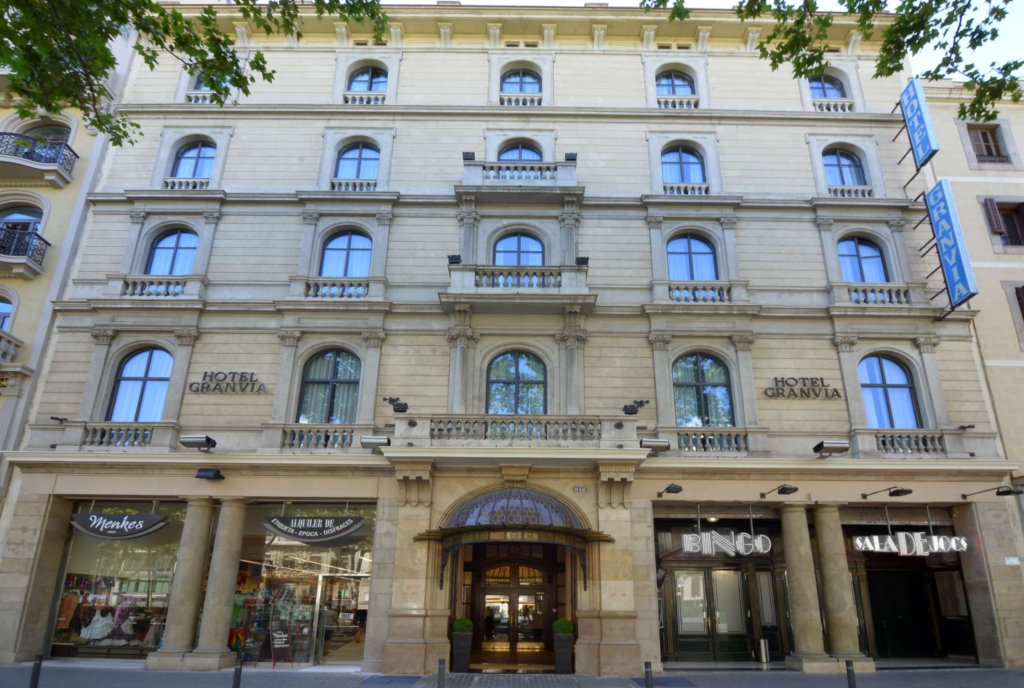
Located in the heart of Barcelona’s Eixample district, Hotel Granvía is a building with over 150 years of history. Built in 1870 by architect Jerónimo Graells, the building was originally a bourgeois palace owned by the influential Serra-Chopitea family.

In 1935, the building was remodeled into Hotel Granvía, maintaining emblematic architectural elements such as its neoclassical façade. Since then, the hotel has been a landmark in Barcelona, hosting actors, politicians, and high-society figures.

An architectural challenge: modernization without losing essence

In 2012, the Nuñez y Navarro group undertook an ambitious full renovation of the hotel to modernize its facilities and improve energy efficiency — all without altering the building’s original aesthetics.

The main challenge was to optimize the acoustic and thermal insulation of the rooms without modifying the listed façade structure. This required a technical solution that respected the historical architectural elements while meeting current standards of comfort and energy efficiency.

The renovations were completed in 2013, resulting in a fully renewed hotel.

Mabelux and the aluminum bending for hotel rehabilitation

One of the key elements in the hotel’s restoration was the reconstruction of the exterior windows, whose original half-round design had to remain intact. To achieve this, Mabelux carried out the bending of aluminum profiles from the Technal Unicity series, used in manufacturing the new windows.

The applied bending solutions included:

  • Precision aluminum bending, preserving the original window geometry.
  • Optimization of acoustic and thermal insulation, reducing exterior noise pollution and improving energy efficiency.
  • Preservation of the original aesthetics, ensuring seamless integration of the new aluminum windows.

The use of curved aluminum profiles enhanced the building’s energy performance — reducing heat loss in winter and minimizing cooling needs in summer.

Mabelux: synonymous with innovation, precision, and technical excellence in every project

The projects we have participated in reflect the key role of aluminum and steel bending in modern architecture. From the rehabilitation of historical buildings to the development of airport infrastructure and innovative urban spaces, each project we collaborate on is a testament to how technique and design can merge to create efficient solutions.

The use of curved façades, curved curtain walls, and high-precision metal profiles not only improves building functionality and energy efficiency but also enables architects to explore new forms and volumes.

At Mabelux, we shape the architecture of the future — with precision, creativity, and the guarantee of a job well done.

3 outstanding bending projects in modern architecture in Spain2025-07-08T10:13:57+02:00
Go to Top