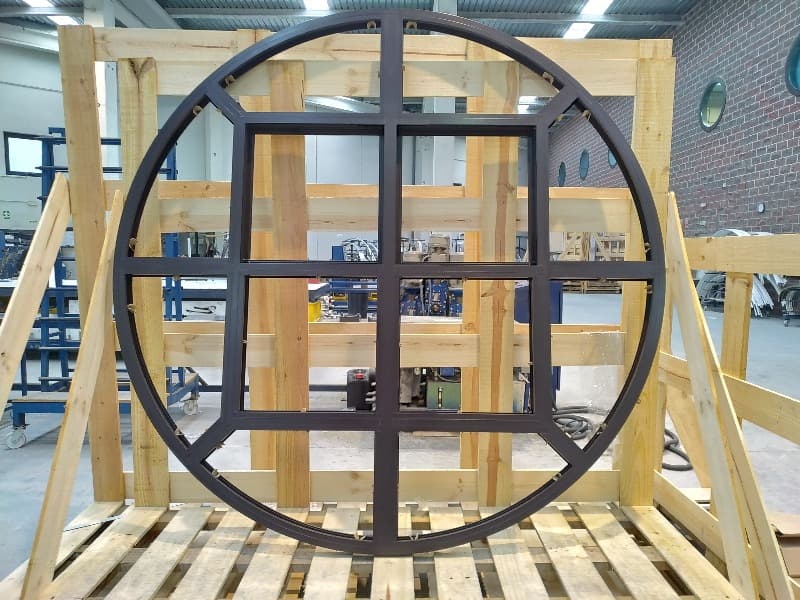
Curved Aluminium Profiles
At Mabelux, we specialise in adapting any type of aluminium and steel bending, covering a wide range of applications.
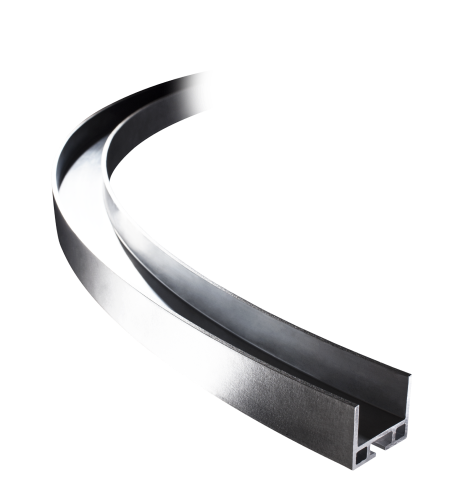
Aluminium
Aluminium is a key material in construction and industry thanks to its exceptional properties: it is lightweight, strong, malleable, and highly durable. These characteristics make it the ideal choice for bending, enabling the creation of innovative and functional profile designs tailored to the needs of each project. Its ability to withstand loads without compromising flexibility makes it perfect for architectural applications such as façades and windows, as well as industrial solutions that require precision and strength. Moreover, aluminium is a recyclable material, positioning it as a sustainable alternative in a market increasingly conscious of environmental impact. At Mabelux, we make the most of these advantages to deliver high-quality, fully customised results.
How Aluminium Profiles Are Bent
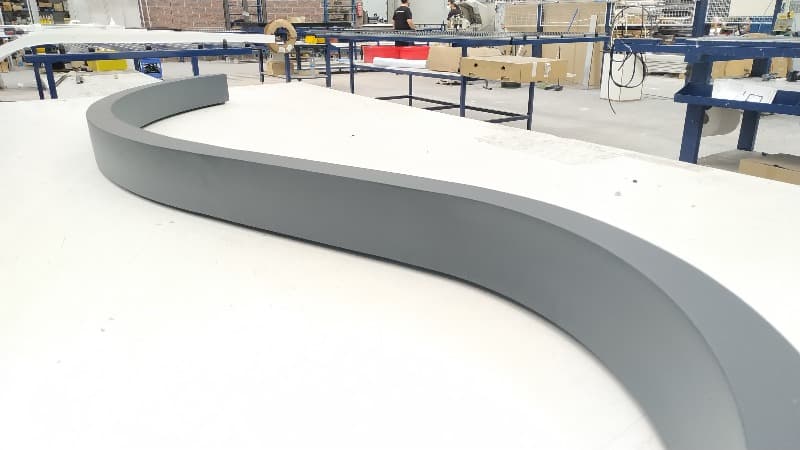
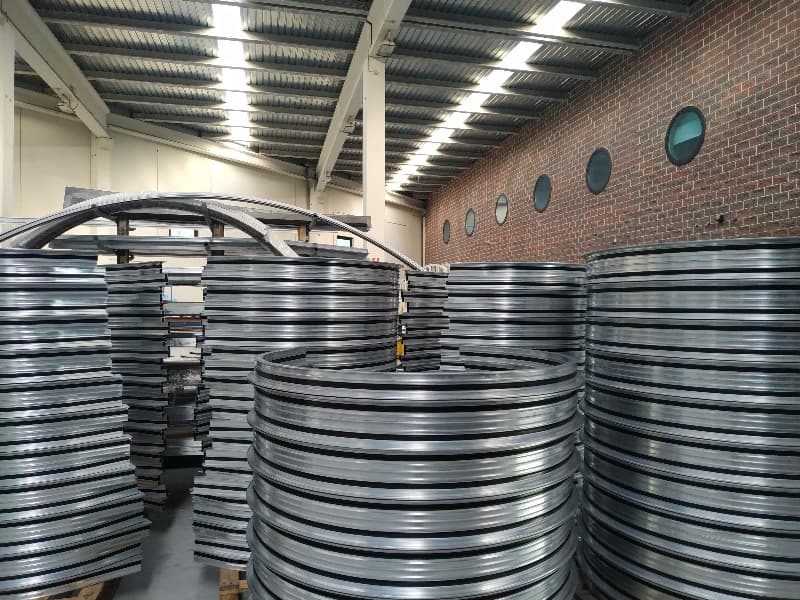
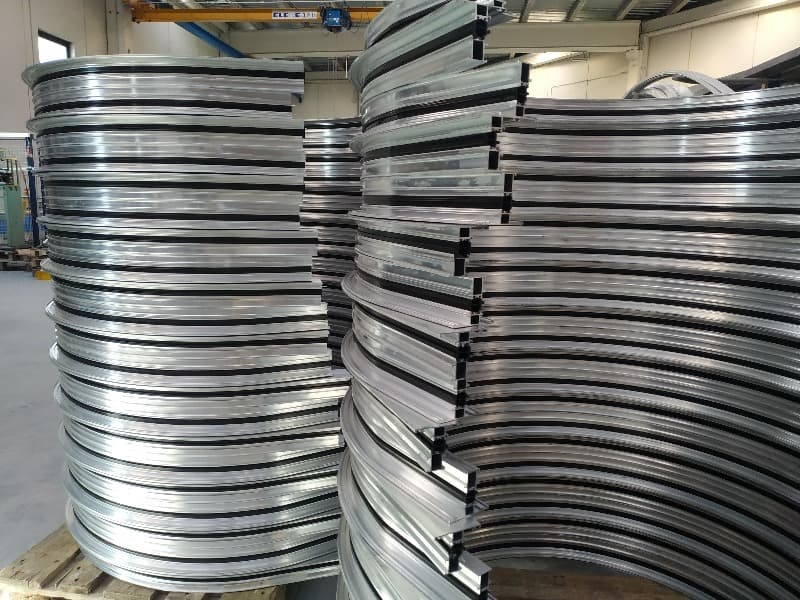
The bending of aluminium profiles begins with selecting the right material, followed by preparing it to ensure the integrity of the profile throughout the process. At Mabelux, we use our own state-of-the-art bending machines, which apply controlled force to shape the aluminium according to the required radius, maintaining precision and avoiding deformation. This process enables us to produce unique curved profiles that meet the aesthetic and functional requirements of each project.

In architecture and construction, every project is unique and requires bespoke solutions.
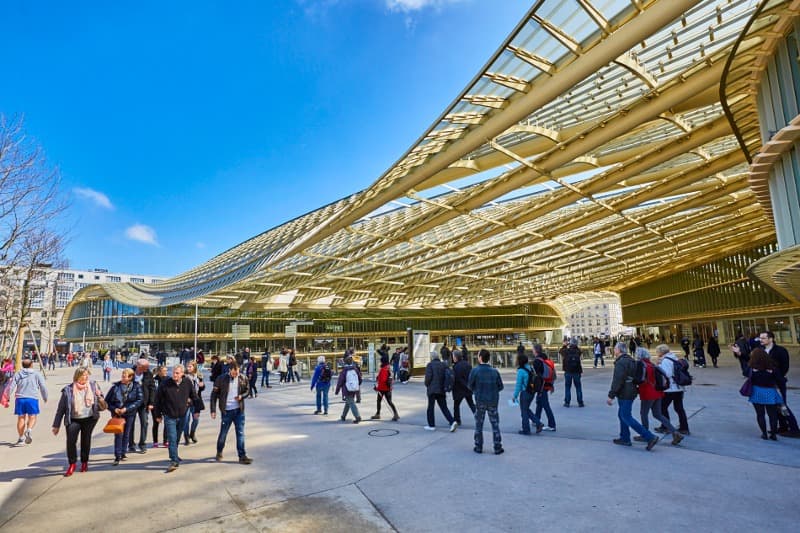
Advantages of Curved Aluminium Profiles
- Versatility: They adapt to curved designs and organic shapes, offering unlimited creative possibilities.
- Strength: Aluminium is lightweight yet resistant to corrosion and impact, ensuring the durability of structures.
- Lightness: Makes handling and transport easier, reducing installation costs.
- Finishes: Can be anodised or lacquered to suit any aesthetic.
- Sustainability: Aluminium can be recycled indefinitely without losing its properties.
Applications in Architecture
- Architecture: Façades, ceilings, railings, handrails, and decorative elements.
- Furniture: Tables, chairs, shelving, and support structures.
- Automotive Industry: Bodywork, interiors, and structural components.
- Signage: Signs, boards, and structures for lighting.
- Shipbuilding: Deck structures, bulkheads, and decorative elements.