
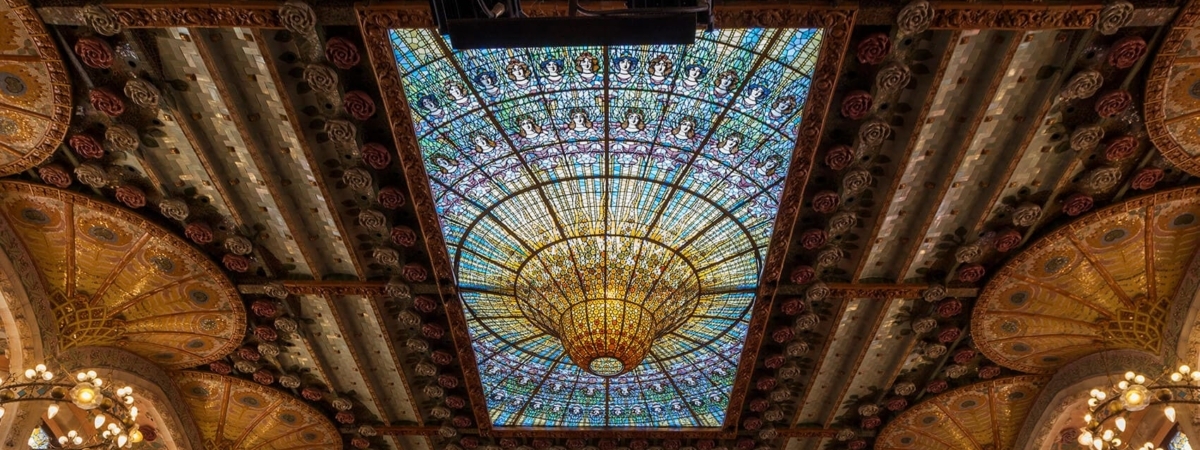
Where does the need to create an arch in architecture come from? A journey through history that leads us to today’s curves
From antiquity to contemporary architecture, the arch has been one of the most revolutionary construction elements. Its curved form is not merely an aesthetic choice: it stems from a structural, technical, and functional necessity that has accompanied humankind for centuries.
Today, curved solutions continue to evolve thanks to technologies such as the bending of aluminum and steel profiles, which allow a millennia-old concept to be reinterpreted for modern projects.
The origin of the arch as a millennial structural solution
Although the arch is often associated with the Roman Empire, its earliest appearances date back much further. It was already used in ancient Mesopotamia and in constructions of ancient Egypt, where it served as a solution for covering spaces without relying on large wooden beams, which were scarce in certain regions.
The key was simple yet revolutionary:
a curved shape allows loads to be distributed toward the ends, preventing the structure from collapsing under its own weight.
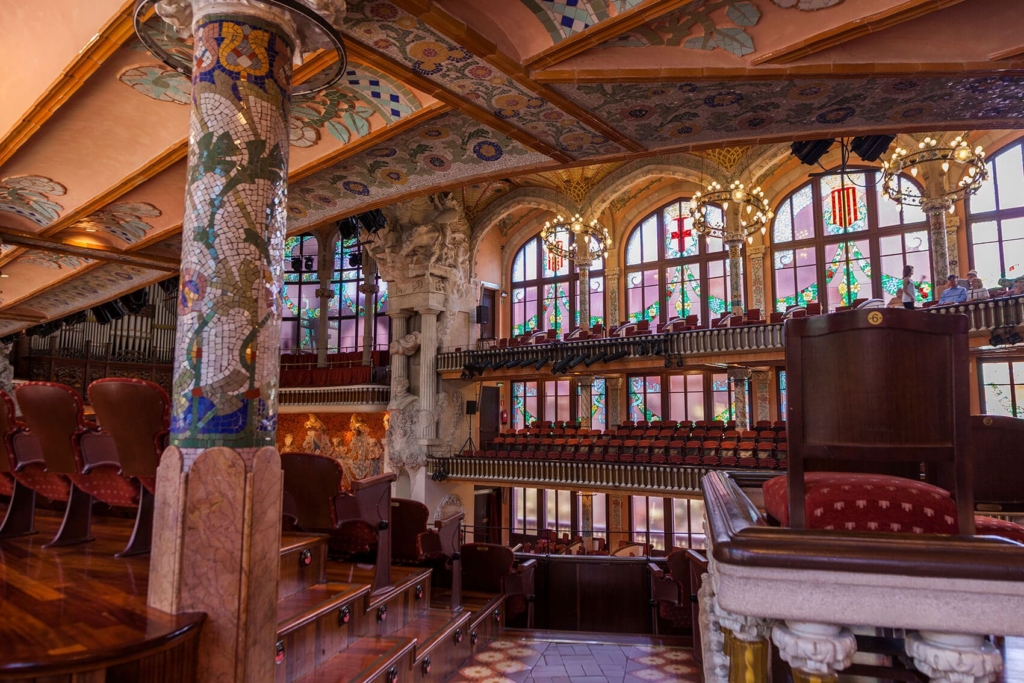
The semicircular arch: the Roman legacy that changed history
The semicircular arch, stable and perfectly proportioned, became one of the symbols of Roman engineering. Its ideal shape made it possible to:
- Support heavy loads.
- Build aqueducts, bridges, and amphitheaters.
- Create larger interior spaces.
This design worked so well that many of its arches are still standing more than 2,000 years later.
Each stone voussoir transferred the load outward and downward, creating a robust and durable structure. This same principle would later inspire the search for new curves in different architectural styles.
The pointed arch: height and light in Gothic architecture
During the Middle Ages, a new need emerged: to raise buildings higher and allow light to flood temples.
From this pursuit came the pointed arch, first used in Islamic architecture and later adopted by European Gothic style.
This arch, formed by two curves meeting at a vertex, offered structural advantages over the semicircular arch:
- it distributed weight more effectively downward and less toward the sides,
- it allowed for thinner walls,
- it made room for enormous windows,
- and it enabled the monumental heights of cathedrals and cloisters.
Once again, curved forms arose from functional necessity, not merely decoration. Iconic examples include Notre Dame Cathedral in Paris and Burgos Cathedral.
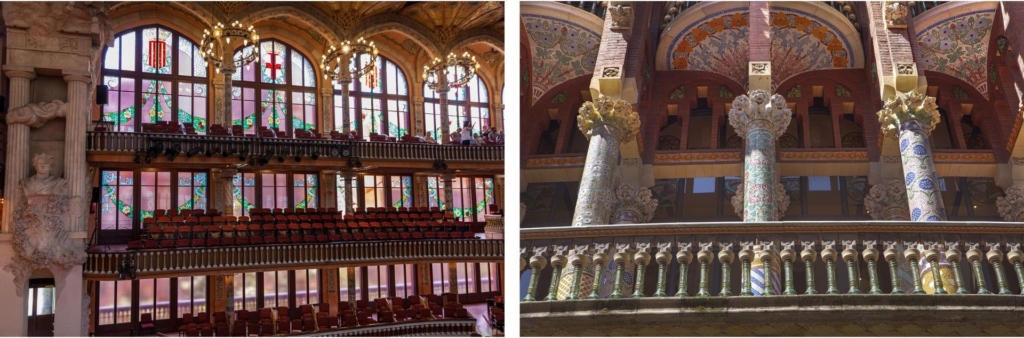
Segmental, parabolic arches and the birth of new geometries
With the Renaissance -and especially with modern architecture- arches evolved into new variations:
- Segmental arch: lower and more streamlined, ideal for doors and passageways.
- Elliptical arch: common in palaces and theaters, with an elegant aesthetic.
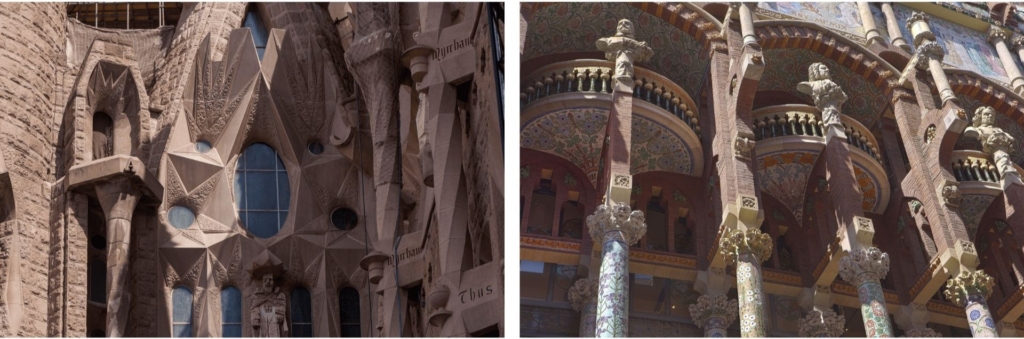
- Parabolic arch: popularized by Gaudí and 20th-century engineering, where the curve responds to precise structural calculations.
These new forms reflect how the pursuit of the curve has been a constant throughout history:
technology, aesthetics, innovation, and functionality advance together.
The curve in contemporary architecture: new technologies, new possibilities
Today, the need to create arches and curved forms remains alive, but with entirely different tools.
Thanks to technologies such as metal profile bending, these shapes can now be reproduced with millimetric precision. The use of curved aluminum and steel profile has allowed curves to be incorporated into:
- ventilated façades,
- railings and handrails,
- curtain walls,
- metal structures,
- windows and doors,
- and interior design solutions.
Unlike the stone of antiquity, metals provide millimetric precision, visual continuity, and lightness.
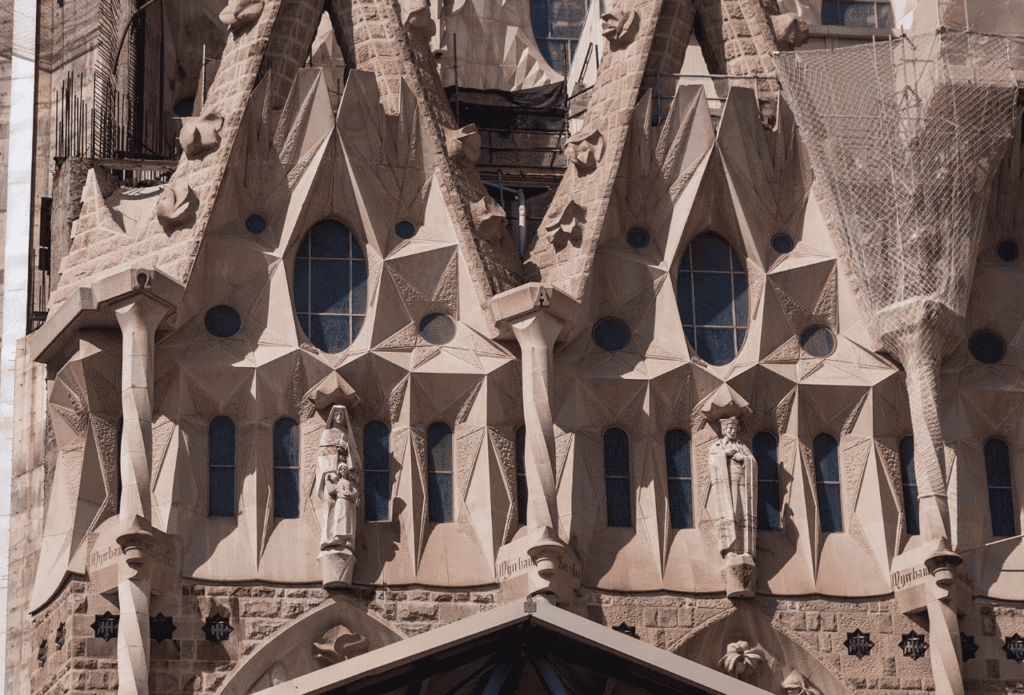
Curved structures are no longer limited to structural purposes: today, the curve is an aesthetic, functional, and technological resource that defines the language of contemporary architecture.
From the Roman arch to today’s curved façades, driven by the same purpose
Throughout history, arches and curved forms emerged to solve specific challenges: spanning large distances, supporting loads, gaining height, allowing light in, enhancing aesthetics, or creating more fluid spaces.
That same spirit continues today when architects and designers turn to metal profile bending to shape unique projects.
At Mabelux, we continue the tradition of working with the curve
With more than 30 years of experience, we transform steel and aluminum profiles into solutions that unite technology, precision, and design.
Our commitment is to keep expanding the possibilities of curvature, adapting it to today’s architectural and industrial challenges.
