About EnfusionMaBeluX24

This author has not yet filled in any details.
So far EnfusionMaBeluX24 has created 41 blog entries.

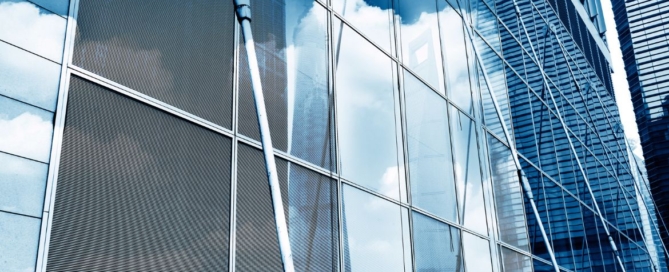
What is a curtain wall? What is it used for?

For those of us working closely with the architecture and construction sectors, we know that today, efficiency and aesthetics go hand in hand. One of the most innovative solutions in façade design is the curtain wall — a topic we’ve already addressed in previous articles. This construction system has revolutionized the way modern buildings are conceived, offering both functional and aesthetic advantages. We’ve previously explained what a curtain wall façade is, but what are its main applications, and how is aluminum profile bending integrated into these types of structures?
The origin of the curtain wall

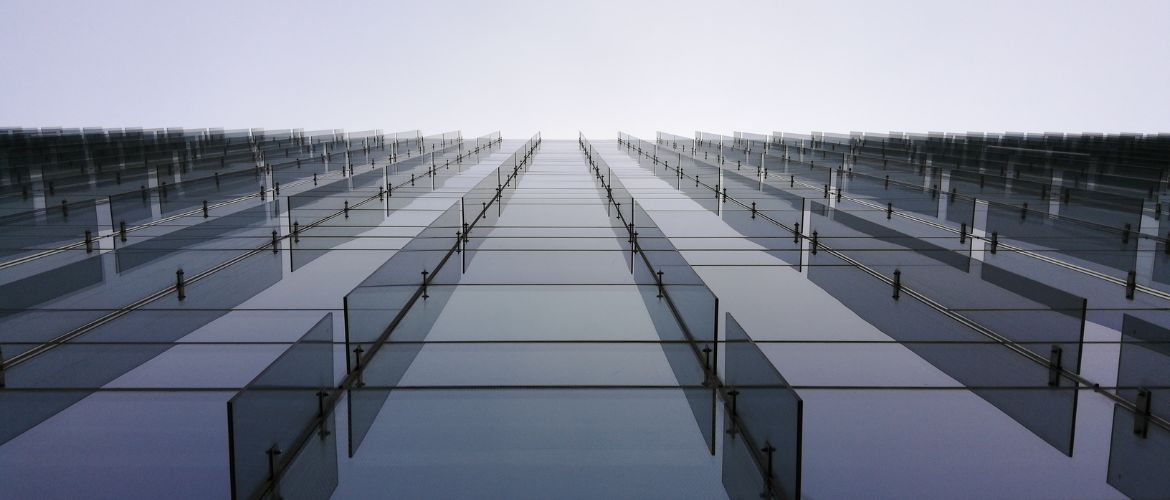
The curtain wall was born in the United States in the 1950s with the construction of the Lever House building, designed by architect Gordon Bunshaft of the SOM firm. This innovative design had a significant impact, driving the development and refinement of this type of enclosure over the following decades.

This kind of envelope became closely associated with high-rise office buildings, becoming a key architectural solution in tall building construction. Its evolution is part of the history of the lightweight façade.

What exactly is a curtain wall?

A curtain wall is a lightweight façade system made up of linear elements that are assembled and anchored to the main structure of the building.

Unlike traditional walls, this type of façade does not bear the structural loads of the building. Its main function is to provide insulation and protection from external elements such as rain, wind, and solar radiation.

Curtain walls generally consist of a frame made of straight or curved aluminum that supports glass, metal, or other lightweight panels. This structure enables innovative architectural designs and optimizes natural light in interior spaces.

What is the curtain wall used for?

Curtain walls are widely used in commercial buildings, office towers, hotels, and skyscrapers due to their design and energy efficiency advantages. Their versatility, aesthetics, and reliability make it possible to achieve architectural solutions that were once thought impossible.

High-rise glass façades

Office buildings and skyscrapers often use curtain wall façades to maximize natural lighting and reduce energy consumption from artificial lighting.

Innovative architectural designs

Thanks to the use of curtain wall profiles, it is possible to create curved shapes and custom designs that bring a modern and avant-garde style to buildings.

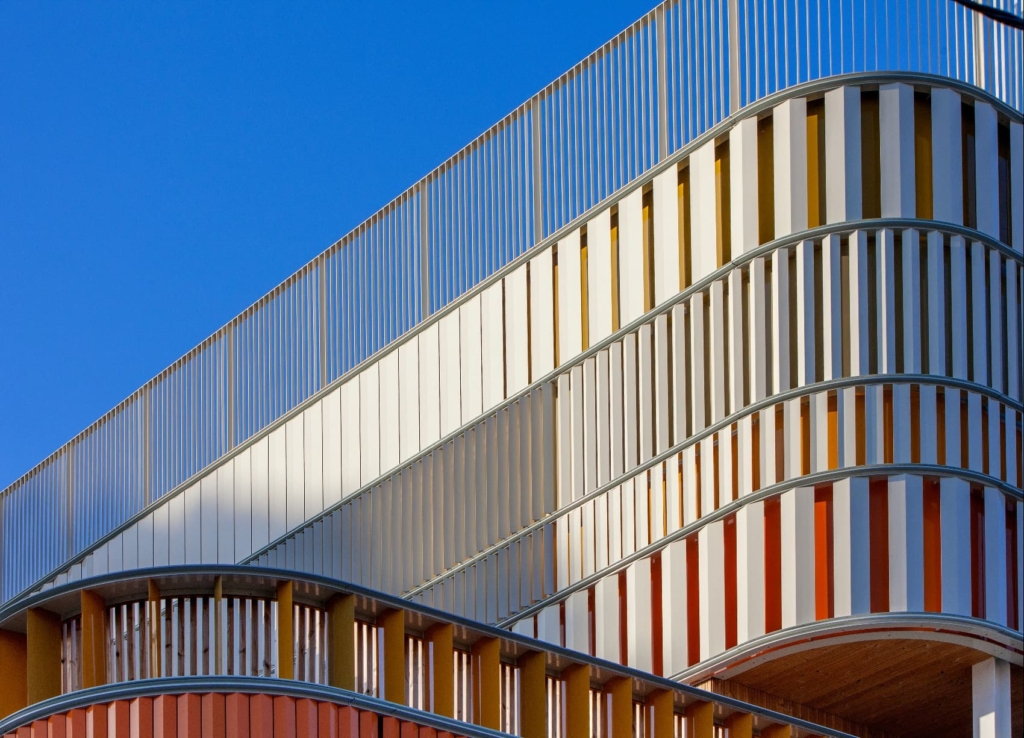
Concave and convex curtain walls

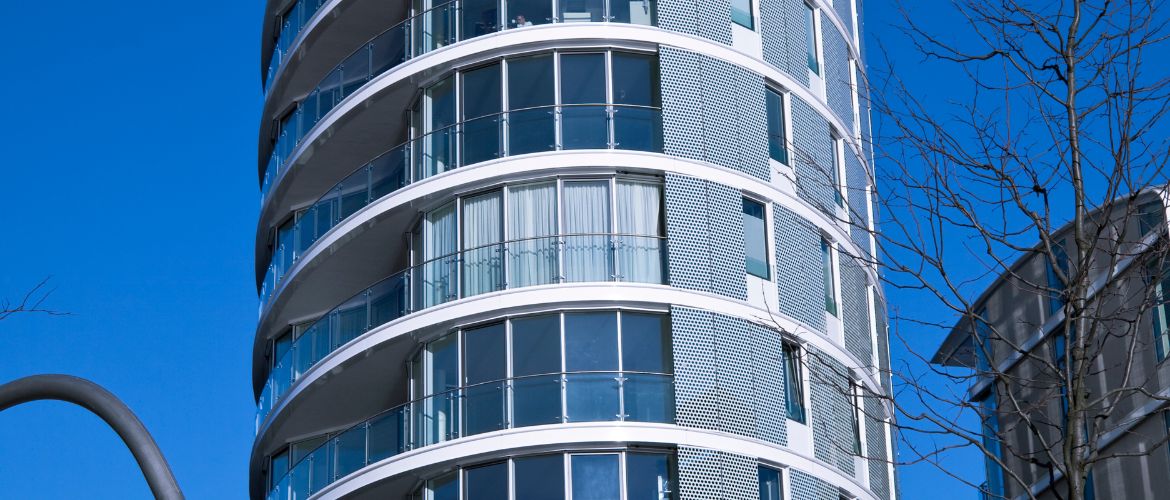
Curved aluminum profiles make it possible to develop façades with concave and convex shapes, adding dynamism and personality to the exterior design of the building.

Since it is a self-supporting structure that does not bear additional loads, the curtain wall is a safer solution in seismic zones and extreme climates. Additionally, it protects the building’s interior from impacts and adverse weather conditions.

The curtain wall is an architectural solution that combines design, safety, and energy efficiency. Its application in modern buildings has transformed the way we conceive façades, allowing for innovative and functional designs.
Applications of curtain walls in modern architecture

The curtain wall has become an essential element in different types of buildings due to its versatility and efficiency. Key types of buildings where it is used include:

Corporate and office buildings

Curtain walls are very common in skyscrapers and office buildings, as they take advantage of natural light and improve energy efficiency while giving the building a modern and elegant appearance.

Hotels and resorts

In the hospitality industry, curtain wall façades provide a sophisticated look and allow guests to enjoy panoramic views of the surroundings, enhancing the lodging experience.

Shopping centers and large retail spaces

The implementation of curtain walls in shopping centers increases interior brightness, improving the shopping experience for visitors.

Airports and transport stations

The design of airports and train or bus stations benefits greatly from curtain walls, as they provide efficient natural lighting and create spacious, modern environments.

Hospitals and healthcare centers

In hospitals and healthcare facilities, curtain walls can improve patients’ sense of well-being by allowing in adequate natural light while also contributing to energy savings in HVAC systems.
Why choose curtain walls for façades?

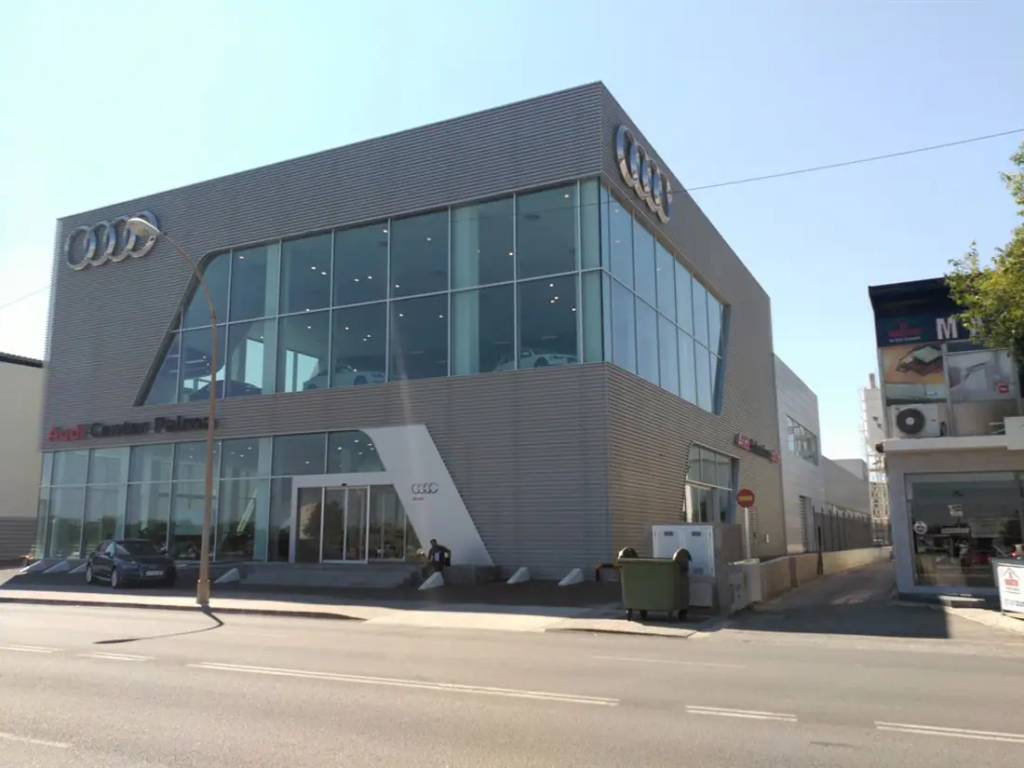
If you’re looking for a modern, efficient, and durable solution for a building envelope, curtain walls are one of the best options. Their innovative design offers multiple aesthetic and functional benefits:

  • Sustainability and energy efficiency: reduces the need for artificial lighting and optimizes climate control.
  • Structural resistance: designed to withstand weather changes and external loads without compromising safety.
  • Ease of maintenance: their design allows for easy cleaning and upkeep to ensure long-lasting performance.

Thanks to these advantages, curtain wall façades have become a key solution in contemporary architecture, combining functionality and cutting-edge design.

Mabelux: façade bending that combines aesthetics and functionality

At Mabelux, we specialize in aluminum profile bending, offering custom solutions for curtain wall façade projects. We have the technology and experience needed to deliver high-quality, tailor-made designs that meet the highest industry standards.

If you’re looking for a solution for your architectural project, get in touch and discover how our curved aluminum profiles can bring value and aesthetics to your building.
 

What is a curtain wall? What is it used for?2025-07-06T22:15:08+02:00

Porthole windows: What types of buildings are they being used in?

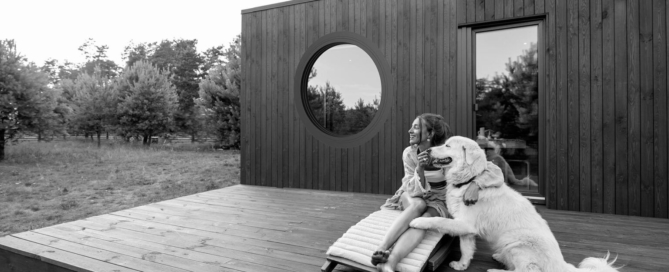
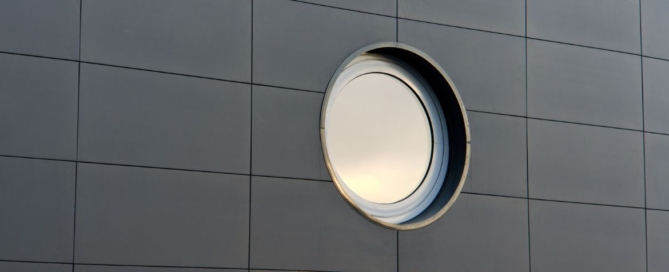
Traditionally associated with naval architecture, porthole windows have gained popularity across multiple architectural sectors thanks to their distinctive aesthetic, lighting and ventilation capacity, and versatility in different styles.

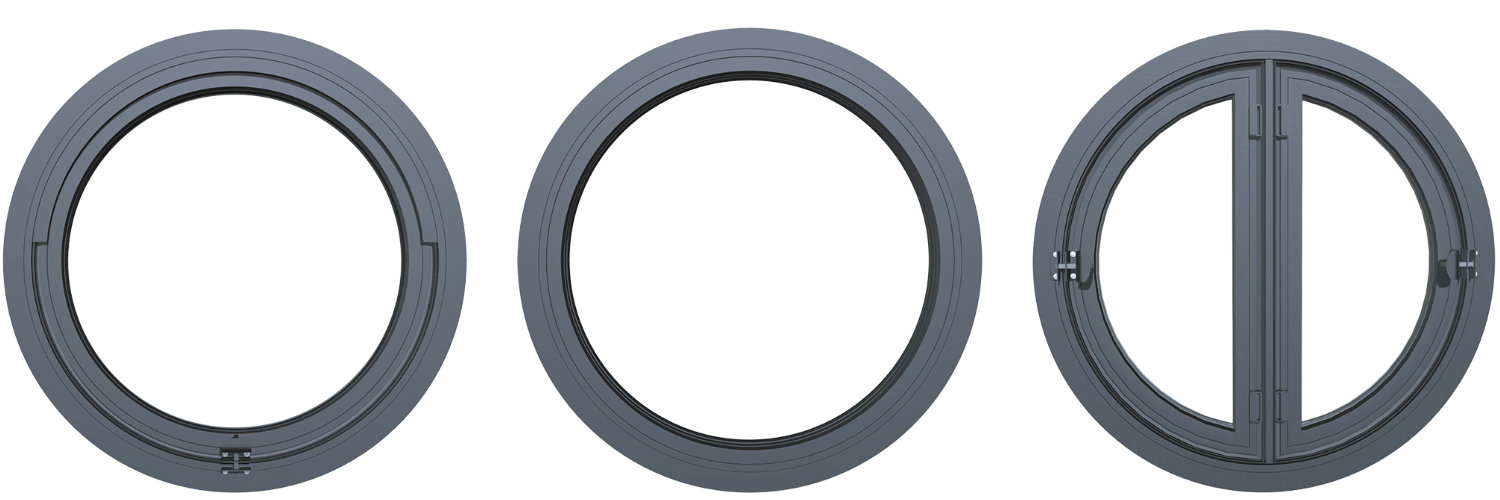
That’s one of the reasons why, at Mabelux, we created Obumat, our minimalist and elegant porthole window — a highly versatile option thanks to its multiple opening possibilities.

Nowadays, curved windows in general — and circular windows in particular — are being widely used in many types of buildings.

Curious why they’ve become a rising trend in modern architecture?

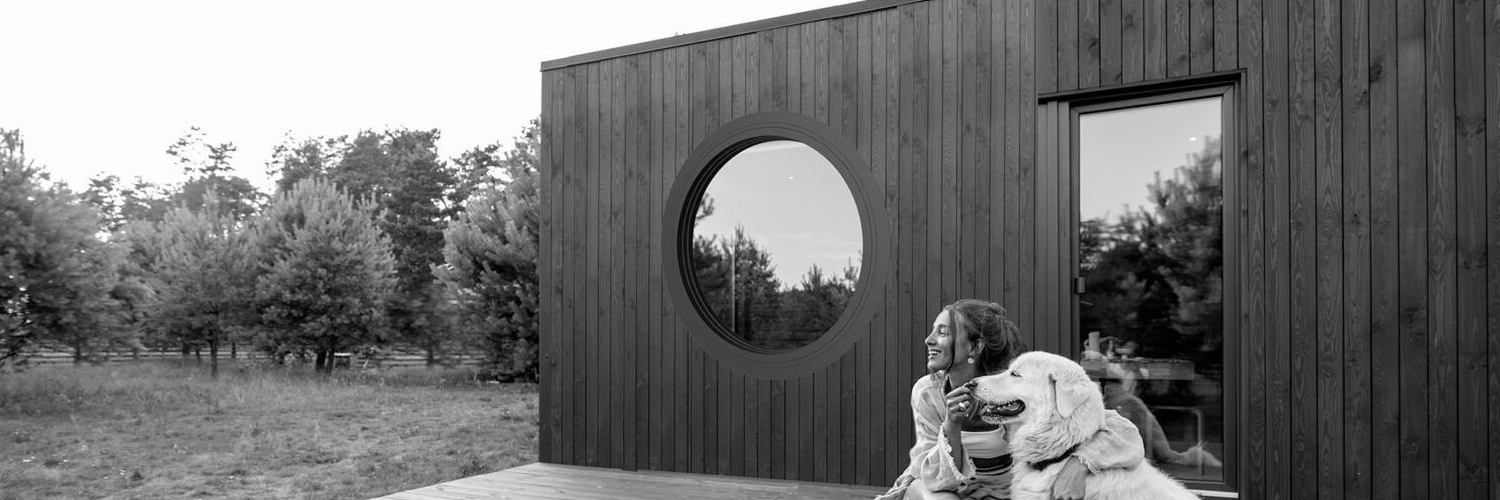
Porthole windows in contemporary homes

Modern homes have embraced porthole windows as an innovative option to break away from the rigidity of straight lines. Their inclusion in façades, bathrooms, and interior spaces allows for:

  • Greater natural light, especially in hallways or areas where a conventional window wouldn’t fit.
  • A unique decorative touch that adds sophistication and dynamism to architectural designs.
  • Improved ventilation, especially in kitchens and bathrooms, where a circular tilting window enhances airflow.

These windows also serve as a stylish resource in minimalist homes, where simple design is complemented by functional, attractive geometric shapes.

Porthole windows in hotels and resorts

In the hospitality industry, the visual experience and connection with the surroundings are increasingly important to the guest experience. That’s why porthole windows are becoming more common in:

  • Boutique hotels, seeking a unique aesthetic that blends modern and traditional elements.
  • Coastal resorts, where they perfectly emulate nautical style and offer panoramic sea views.

Themed rooms, creating a special atmosphere in places inspired by navigation or vintage architecture, such as repurposed lighthouses.

Porthole windows in restaurants and cafés

Porthole windows have also found their place in urban spaces. You’ll spot them in restaurants and cafés that want to stand out with a strong visual identity. What do these circular windows achieve?

  • Create a cozy, distinctive atmosphere, acting as standout features in interior design.
  • Maximize natural light, especially in smaller venues.
  • Separate spaces without losing brightness, as circular windows can be integrated into interior partitions.

Of course, in establishments with a nautical, industrial, or vintage theme, porthole windows elegantly and functionally reinforce the decorative concept.

Porthole windows in commercial buildings and offices

We spend most of our time at work — and although remote work became widespread during the pandemic, we’ve kept the idea that workplaces must be comfortable. That’s why companies are increasingly seeking offices with innovative, flexible designs. Porthole windows have been incorporated into these spaces for several reasons:

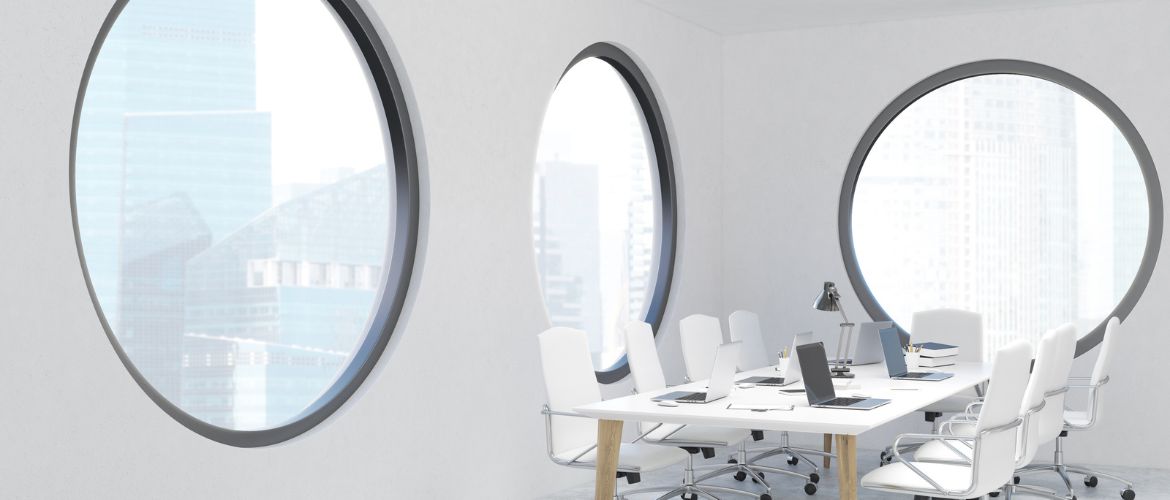
  • Optimize space and light, bringing brightness to meeting rooms or shared areas.
  • Offer a modern design that breaks with the monotony of traditional office buildings.
  • Create visual connections between areas, encouraging communication without sacrificing separation.

Many startups and creative companies have embraced these windows in their offices to convey a sense of innovation and originality.

Porthole windows in schools and libraries

Like workspaces, schools, universities, and libraries are places we spend many hours in. Porthole windows have proven to be an effective solution in educational settings thanks to:

  • Increased natural light in classrooms and study rooms.
  • An attractive and dynamic design that enhances the learning experience in visually engaging environments.
  • Better acoustics, as some double-glazed versions help reduce external noise.

Porthole windows in gyms and wellness centers

Round windows enhance the feeling of spaciousness and relaxation. That’s why they’re now being installed in gyms, spas, and yoga studios. And it’s not just about aesthetics — porthole windows help create the perfect environment for these practices. Benefits include:

  • A harmonious ambiance, with fluid, organic aesthetics that promote well-being.
  • Strategic lighting in meditation and workout rooms.
  • Panoramic views without compromising the design style.

Porthole windows in rural homes and eco-friendly housing

Porthole windows aren’t just about looks — new trends in sustainable architecture have made them increasingly common in green building designs. Why?

  • Greater energy efficiency, as they allow more natural light and reduce the need for artificial lighting.
  • Seamless integration with the natural environment, since their organic shape harmonizes with the landscape.
  • Use in green roofs and eco-domes, optimizing air circulation and interior lighting.

As you can see, porthole windows have evolved into an essential element of modern architecture

Their versatility and ability to adapt to different environments and needs make them an increasingly sought-after option in the design of innovative and attractive spaces.

Obumat: the future of porthole windows

At Mabelux, we’ve been working with curved structures for many years, and porthole windows are a timeless classic that simply needed an update. That’s why we created Obumat— the ideal solution for those seeking porthole windows with minimalist design, high quality, and great functionality.

Obumat is the classic porthole window — with today’s technology.

It’s available in a wide range of opening types, from fixed to pivoting and tilt-opening systems, adapting to any architectural need.

Made with high-quality aluminum, it guarantees strength, durability, and energy efficiency.

With clean lines and ultra-slim profiles, these round windows add a sophisticated touch to any space. If you’re looking for customization, innovation, and easy installation, Obumat is the porthole window you need.

Porthole windows: What types of buildings are they being used in?2025-07-08T10:13:57+02:00

Applications of bending: innovation in steel and aluminum for architecture, construction, and industry

From a curved sunshade that regulates light in a building to an aluminum profile that fits perfectly into a façade, the bending of steel and aluminum has revolutionized the way we design and build.

At Mabelux, we’ve spent over 30 years transforming ideas into tangible structures — making the seemingly impossible a reality.

The many applications of steel and aluminum bending across architecture, construction, and industry allow us to turn the most rigid materials into innovative solutions.

This is how we shape your ideas.

The art of bending in architecture: aesthetics and functionality

In architecture, design isn’t just about aesthetics — it’s about functionality. Every project has its own personality and unique requirements, and this is where aluminum and steel bending reaches its full potential.

This technique enables the creation of elegant shapes, unique structures, and elements that combine design with energy efficiency.

Key architectural applications of bending:

  • Façades and curtain walls
    Curved curtain walls, whether convex or concave, add visual dynamism to the most modern buildings. In addition to their aesthetic impact, these solutions integrate seamlessly with glass, achieving perfect harmony between design and functionality.
  • Curved windows and doors
    With a wide range of arches and styles — segmental, semicircular, carpanel — our solutions adapt to any architectural project while always maintaining a balance between aesthetics and practicality.
  • Sunshades and railings
    Curved sunshades not only enhance buildings but also improve energy efficiency by controlling the entry of light and heat. Meanwhile, curved railings provide safety without compromising design.
  • Shower enclosures and pool covers
    From unique shower screen designs to curved pool enclosures, aluminum bending allows for durable, visually appealing solutions that blend effortlessly with their surroundings.
  • At Mabelux, we’ve contributed to iconic projects that redefine the boundaries of architectural design. Every curve tells a story — and we help shape it.

Bending in construction: flexible and durable solutions

In construction, strength and versatility are essential. Bending steel and aluminum enables us to create robust solutions that integrate seamlessly into even the most complex projects. Whether for functional or decorative structures, our techniques adapt to the most demanding requirements in the sector.

Applications of bending in construction:

  • Revolving doors and elevators
    Curved profiles bring precision and strength to essential elements like revolving doors and elevator structures, ensuring top standards of quality and safety.
  • Escalators
    We design curved profiles that not only serve their functional purpose but also enhance the environment in which they are installed.
  • Covers and decorative elements
    Whether for pool covers or architectural accents, bending transforms materials into unique pieces that blend durability with design.
  • Fire-resistant and bulletproof systems
    For projects requiring extreme safety, we offer RF steel bending that meets the strictest regulations — working with top brands like Jansen and Forsters.

Industrial bending: efficiency meets functionality

The bending of aluminum and steel profiles is essential for optimizing the function and design of countless applications across the industrial sector. From transport to machinery, our curved solutions are essential in a variety of industries.

Key industrial applications of bending:

  • Transport
    We supply curved profiles for windows in boats, buses, caravans, and cable cars. These solutions guarantee a perfect fit and a modern look.
  • Maquinery protection
    Curved profiles protect equipment and conveyor belts, providing strength and durability even in demanding industrial environments.
  • Industrial refrigeration sector
    We design profiles for refrigerated display cases that not only offer excellent thermal insulation but also stand out in terms of design.
  • Sports equipment
    From football goals to other athletic equipment, bending ensures precision and strength in every product.
  • Guides for hospitals
    In the healthcare sector, curved profiles help facilitate patient movement, improving the functionality of hospital environments.

Bending for windows: Obumat

With over thirty years of experience bending aluminum and steel, in 2023, Mabelux launched Obumat — the first minimalist round window with French-style opening.

This innovative update to the classic porthole window is an example of how we combine creativity, functionality, and customization to offer unique solutions tailored to market demands.

Mabelux technology: innovation serving bending

At Mabelux, we use custom-designed and manufactured bending machines, developed in-house by our engineering team to achieve ultra-small radii and work with all types of profiles — including pre-lacquered ones. This commitment to innovation allows us to deliver personalized solutions that meet the specific needs of every client.

What does our in-house technology allow us to do?

  • Flexibility: we adapt profiles to any design or dimension.
  • Precision: our processes ensure flawless results.

Speed: with our express service, we tailor timelines to your needs.

More than a supplier, Mabelux is your partner

At Mabelux, we know every project is unique. That’s why we support our clients through all stages — from initial design to final installation.

We offer additional services like transport, technical documentation, and personalized consulting to ensure the success of every project.

Steel and aluminum bending is more than just a technique — it’s a tool to transform ideas into concrete solutions. From the boldest architectural vision to the most functional industrial application, at Mabelux, we shape the project you know will make a difference.

At Mabelux, we shape your idea.

Applications of bending: innovation in steel and aluminum for architecture, construction, and industry2025-07-07T20:52:51+02:00

Curved profiles in building renovation

Building renovation is an essential practice to preserve architectural heritage, improve energy efficiency, and modernize urban structures.

Over time, buildings require interventions not only to ensure their stability but also to adapt them to new needs in terms of comfort and sustainability.

In these renovations, the use of curved aluminum and steel profiles plays a key role in restoring building façades, offering both aesthetic and functional solutions that preserve architectural identity while embracing innovation.

Sustainable renovation with aluminum and steel profiles

One of the main benefits of structural renovation is its contribution to urban sustainability. Rather than demolishing and rebuilding from scratch, renovation allows for optimized resource use, reduced waste, and improved energy efficiency in buildings.

In this process, building insulation plays a crucial role, as a well-executed renovation can significantly reduce a building’s energy consumption, providing greater thermal and acoustic comfort.

Among these improvements, installing aluminum window profiles or curved steel profiles in ventilated façades helps optimize the building’s energy performance. These solutions not only provide high-quality aesthetic design, but also enhance the durability and resistance of the renovated structures.

The importance of curving in façade renovation

In façade renovation projects, the use of curved aluminum and steel elements has become an essential resource. Thanks to the versatility of these materials, innovative architectural designs can be adapted to existing structures without compromising their integrity. From aluminum frames to rectangular aluminum tubes, curving allows for customized shapes tailored to each project’s needs.

Mabelux, with its experience in curving structural aluminum profiles, has taken part in numerous renovation projects in landmark buildings. Our work has been key in ensuring precision and quality in each intervention, always respecting the original design and meeting the most demanding technical requirements.

Renovating iconic buildings with curved aluminum and steel

Renovating iconic buildings requires advanced technical solutions that respect the original architectural essence while offering structural improvements.

For Mabelux, contributing our expertise to breathe new life into these architectural gems is always an exciting challenge. Alongside façade renovation companies, we have been involved in many projects.

Among the most recent, these stand out as emblematic—and close to home—projects we are especially proud of.

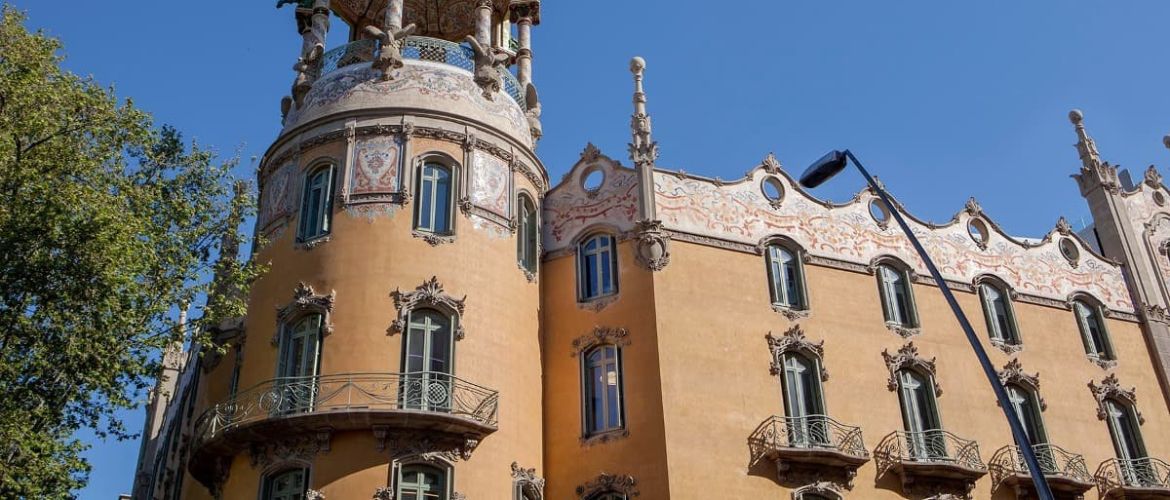
Renovation of the La Rotonda Building, Barcelona

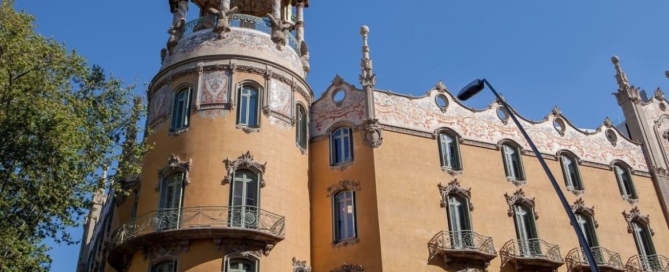
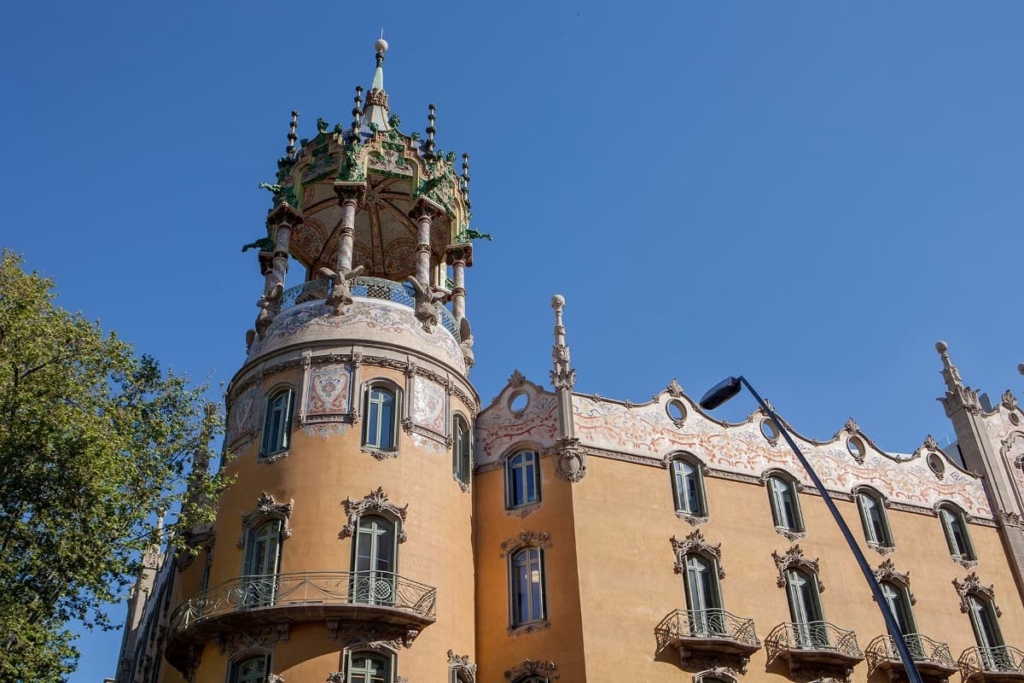
The iconic Torre Andreu building, commonly known as La Rotonda, is a major project in which Mabelux actively participated. Under the direction of architect Alfred Arribas, this renovation aimed to recover the original structure to the fullest extent, respecting its modernist design and enhancing its architectural value.

Mabelux was in charge of curving stainless steel profiles from the Janisol series by Jansen, a key element for restoring the façade and the modernist pavilion.

Thanks to this intervention, La Rotonda has regained its original splendor, becoming once again a landmark of Barcelona’s urban landscape.

Sant Antoni Market, Barcelona

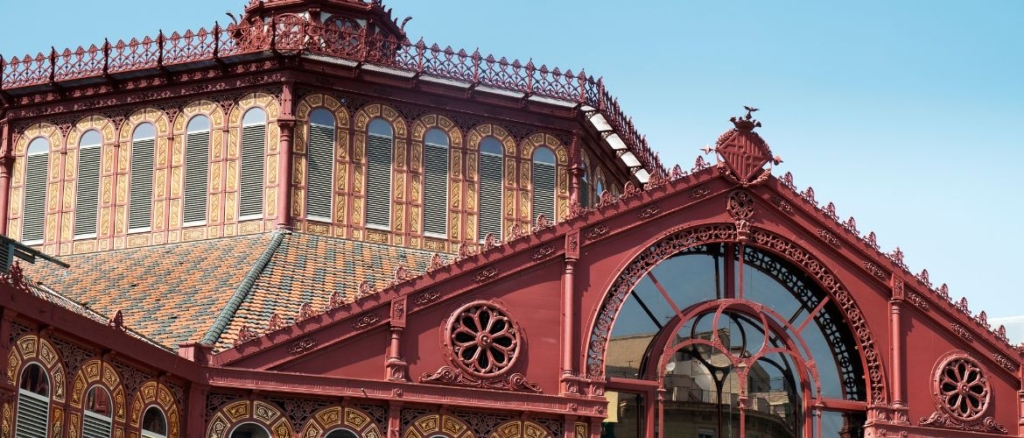
One of our most significant projects was the renovation of the Sant Antoni Market, a building of great historical and architectural value. Designed by architect Antoni Rovira i Trias and inaugurated in 1882, this market has remained a point of reference in the city.

Restoration work began in 2007 and extended until 2018 due to archaeological remains discovered in the area, including the Via Augusta and a Roman necropolis.

Mabelux contributed its expertise in curving stainless steel profiles from the Jansen brand for the fabrication of numerous windows, helping restore the façade and modernize the building while preserving its historical essence.

Renovation of Les Arenes Shopping Centre, Barcelona

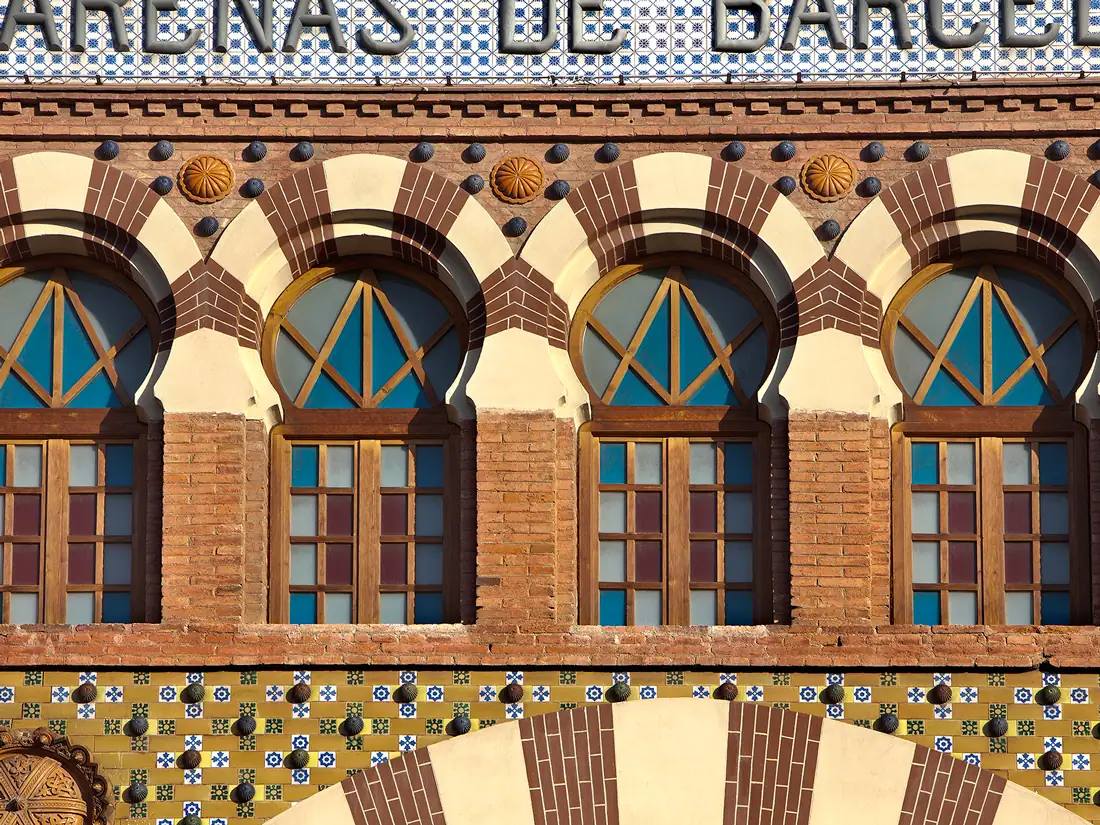
Another outstanding example of structural renovation is the transformation of the former bullring Las Arenas into a modern shopping center. This project presented multiple challenges, including the preservation and elevation of its Mudejar-inspired façade to accommodate its new function.
Mabelux played a key role in this renovation by applying its knowledge in the fabrication of small-radius portholes, ensuring excellent watertightness and superior precision. Thanks to the versatility of structural aluminum profiles and specialized curving work, it was possible to maintain the building’s original essence—now a cultural and commercial landmark in Barcelona.

Renovating more contemporary buildings with aluminum and steel profiles

Buildings constructed in the second half of the 20th century, especially in urban expansion areas, are now the focus of major renovation projects. While these structures may not be as old as historic buildings, they require significant improvements to meet current standards of energy efficiency, comfort, and aesthetics.

Using aluminum and steel profiles in façade and enclosure upgrades has become a key solution. Due to their strength, lightness, and versatility, these materials improve buildings’ thermal and acoustic insulation, reduce energy consumption, and provide greater comfort for occupants.

Moreover, renovations using these profiles not only bring aesthetic improvements by modernizing the buildings’ appearance, but also ensure greater durability and ease of maintenance.

With curved profile techniques, it’s possible to design innovative architectural elements without altering the original structure, ensuring a harmonious integration with the urban environment.

Building renovation is not only necessary to preserve architectural heritage, but also an opportunity to improve the energy efficiency and safety of constructions—regardless of when they were built.

Investing in façade renovation with high-quality materials not only preserves the past, but also ensures a more efficient and sustainable future for our cities.

Curved profiles in building renovation2025-04-15T08:59:15+02:00

Steel, a sustainable material for construction and industry

When we talk about steel bending for construction and industry, we often focus on its properties related to the structural and design needs of a project. However, in today’s world—where sustainability must be a global priority—steel has proven to be one of the most versatile and environmentally friendly materials available.

Its durability, recyclability, and efficiency make it an essential resource for steel bending in both the industrial and construction sectors.

That’s why, beyond its technical qualities, steel represents a responsible solution in the face of today’s environmental challenges.

Steel, a material that lasts for generations

Steel is synonymous with longevity. Its use in iconic structures is proof of its ability to withstand the test of time without losing its functionality or aesthetic appeal. This durability translates into a sustainable long-term investment, especially in public and commercial buildings where materials must withstand intensive use.

In addition, steel maintains its structural stability even under extreme weather conditions, making it an ideal choice for projects that demand reliability in variable climates.

From façades to exterior doors, steel ensures long-lasting strength and functionality, preserving structural quality for decades.

Efficiency in the use of materials for construction and industry

Steel allows for the design of lightweight and elegant structures without compromising stability. This ability to do more with less is crucial for sustainability, as it reduces material consumption without sacrificing safety or durability. Steel’s inherent efficiency, therefore, not only lowers the environmental impact, but also enables more innovative construction systems.

In steel bending projects for construction and industry, this advantage is especially relevant. Slim, precise profiles optimize material use while offering aesthetic solutions that integrate seamlessly into more complex architectural designs.

Infinite recyclability: a benchmark for the circular economy

One of the most outstanding features of steel is its ability to be recycled infinitely without losing quality. This efficient and environmentally friendly process allows steel to retain its properties even after multiple reuse cycles.

Steel can be easily separated in recycling plants, making its recovery and reintroduction into new projects straightforward.

This high level of recyclability makes steel an essential material in the transition toward a circular economy.

Compared to other materials like cement, steel offers a much more promising path toward sustainable resource management.

Controlled environmental impact throughout its life cycle

Steel stands out for its low environmental impact across all stages of its life cycle. From production to recycling, it is a sustainable option for both industry and construction.

Currently, 40% of the resources used to manufacture steel globally come from recycled sources—and in Spain, this figure rises to around 70%. This reduces the dependence on virgin raw materials and helps to lower CO₂ emissions.

During the construction phase, the use of prefabricated steel offers several key advantages:

  • Shorter delivery times.
  • Less waste generated on-site.
  • Increased safety during installation.
  • Easy disassembly and reuse at the end of the component’s life.

Throughout the life of a building, steel stands out for its flexibility and adaptability.

Steel bending: innovation in the service of sustainability

Steel bending is a technique that maximizes the potential of this material in both industrial and architectural applications. At Mabelux, steel bending is performed using advanced technologies that enable the creation of profiles tailored to specific designs—optimizing resources and minimizing waste. We achieve what might seem technically impossible, thanks in part to our five bending machines, capable of working with extremely tight radii and any brand of profile, even pre-lacquered ones in most cases.

This capacity to shape steel based on each project’s requirements not only delivers customized solutions, but also reinforces its role as a sustainable material. From industrial structures to modern building façades, steel bending brings together functionality, durability, and aesthetics.


Steel: a material for the future of construction

As the construction and industrial sectors aim to reduce their environmental impact, steel is emerging as one of the most responsible choices. Its durability, recyclability, and efficiency make it a key resource in building a more sustainable future.

In high-traffic projects, steel ensures strength and reliability even under intensive use. In outdoor applications, it withstands extreme climates without losing stability. And in architecture, it enables innovative designs that combine form and function without sacrificing creativity.

Steel offers a balanced solution that meets both industrial needs and environmental responsibility. Its infinite recyclability, exceptional longevity, and material efficiency make it an indispensable resource for bending applications in industry and construction.

At Mabelux, we know the true potential of steel—not only as a building material but as a tool to help shape a more sustainable future. If you’re considering steel for your next project, remember: you’re choosing a material that not only meets the highest technical standards but also supports a clear commitment to design, quality, and sustainability.

Steel, a sustainable material for construction and industry2025-04-14T13:24:49+02:00

Obumat, our round windows

Porthole windows traditionally evoke images of ships sailing endless seas, but when we think of inland architecture, they also add enormous elegance to constructions.

That is why, although their history is fascinating, their increasingly diverse and frequent application in modern architecture is equally so.

Porthole windows have evolved from being merely a functional element in naval design to becoming a symbol of unique architectural design.

That is why at Mabelux we decided to launch Obumat in 2023, raising the standards of quality and design in round windows.

Porthole windows, from the sea to architecture

The concept of porthole windows, as mentioned, makes us think of ships. But have you ever wondered what the benefit is of having them round?

It is because the circular shape distributes structural stresses more evenly, making them more resistant to water pressure and vibrations. Their design not only provided greater durability but also better watertightness—crucial for keeping cabins dry on long voyages and, above all, for keeping vessels afloat.

Yet, if we look at some classic architectural buildings, we will notice that porthole windows appear in many places, such as the iconic oculus of the Pantheon in Rome.

French architecture also popularized these round windows in the roofs and attics of their buildings—not only for aesthetics but also to allow natural light to enter.

Throughout the 19th and 20th centuries, porthole windows became a recurring feature in architecture, adding personality and functionality to structures.

Today, these windows combine tradition and modernity, standing out in residential, commercial, and even industrial projects.

Minimalist designs and ultra-thin profiles

Although originally created for purely functional purposes, round windows have earned a special place in contemporary architecture thanks to the multiple benefits they offer for your constructions.

Breaks the monotony of straight lines

Accustomed as we are to thinking in angles and square shapes, circular windows add dynamism and creativity to any design. For example, they can soften rigid façades, providing a more organic and fluid aesthetic.

Frames a landscape like a work of art

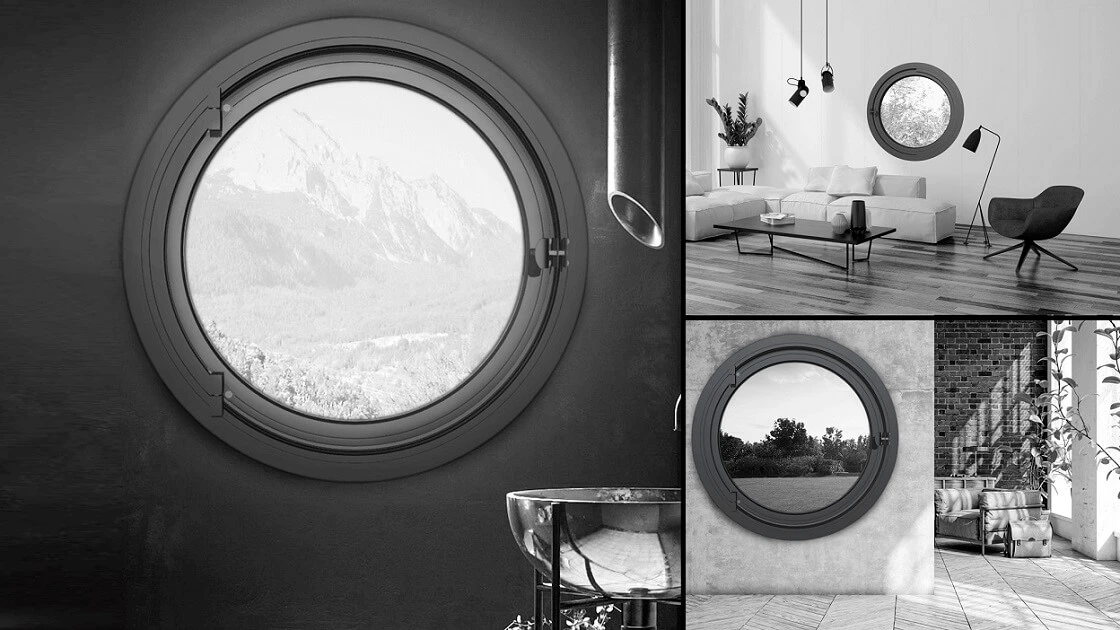
Are you envisioning a building with views of the sea or a forest? Porthole windows like Obumat function as a natural frame, turning the exterior landscape into a piece of art inside any home or office.

More efficient ventilation

With modern opening systems, such as the pivoting or tilt-opening mechanisms of Obumat, porthole windows not only allow natural light to enter but also provide controlled, much more efficient ventilation.

Timeless aesthetics in windows

Round windows evoke the nostalgia of ship cabins, adding a vintage or nautical touch that is ideal for bathrooms, kitchens, or homes near the coast.

Connects spaces with porthole windows

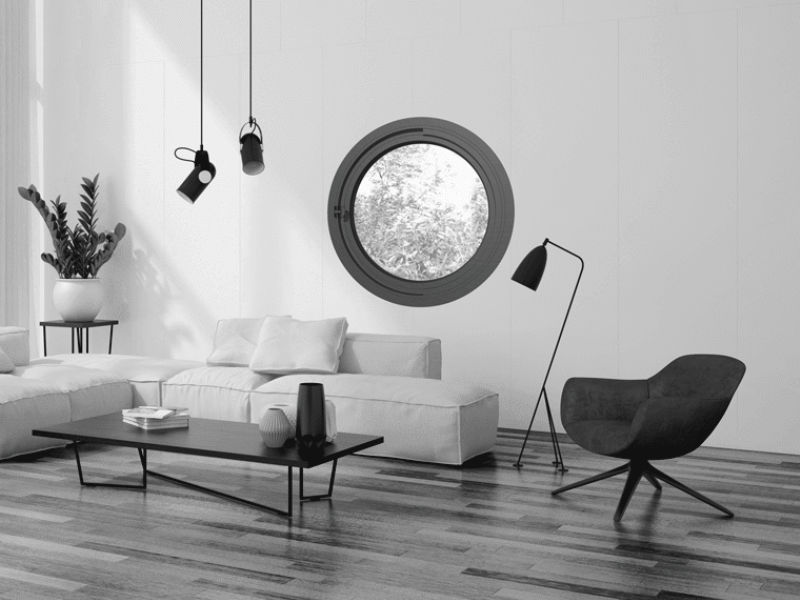
In interior design, porthole windows also serve as a visual connection element between different areas, letting light pass through and enhancing the sense of space.

Obumat: innovation with a minimalist spirit

At Mabelux, we have been specialists in aluminum and steel bending for more than 35 years. In 2023, we took a step further by creating Obumat, our line of porthole windows. This project was born from a passion for innovation and the search for solutions that combine aesthetics, functionality, and sustainability.

What makes Obumat special

  • Variety of openings: From fixed windows to pivoting, hinged, and tilt-opening systems, we adapt our solutions to each client’s specific needs, offering up to 23 different opening types.
  • High-quality materials: We use first-rate aluminum, guaranteeing strength and durability even in the most demanding climates.
  • Minimalist design: Obumat’s clean lines and impeccable finishes integrate perfectly into any architectural style—from the most classic to the most avant-garde.

Advantages of choosing Obumat

Whether you aim to add a touch of elegance to a construction, improve a space’s energy efficiency, or simply stand out in design, porthole windows are a versatile and unique option.

And with Obumat by Mabelux, you are guaranteed to work with experts who understand your needs and transform them into concrete solutions.

  1. Total customization: We design windows to perfectly fit your project.
  2. Energy efficiency: Our designs ensure optimal insulation, contributing to energy savings.
  3. Ease of installation: Thanks to our specialized team, we guarantee a fast and hassle-free process.

Porthole windows: more than a trend in architecture

Round windows are experiencing a renaissance thanks to the trend towards organic forms in architecture and design.

Some of the most interesting uses include:

  • Coastal buildings: Projects where porthole windows are used to maximize the connection with the natural environment, such as beaches or cliffs.
  • Coastal buildings: Projects where porthole windows are used to maximize the connection with the natural environment, such as beaches or cliffs.

Contemporary homes: From bathrooms with a nautical aesthetic to bright kitchens, porthole windows are a versatile and stylish element.


Mabelux: over 35 years shaping your ideas

At Mabelux, we are not just window manufacturers; we are solution creators. Since 1983, we have worked on projects in architecture, construction, and industry, specializing in the bending of aluminum and steel profiles. Our experience and technology allow us to reach where others cannot, offering personalized and technically advanced solutions.

Our line of porthole windows, Obumat, is the result of years of learning, innovation, and an unwavering commitment to quality.

For us, each window is much more than a product—it is a key piece in the design and functionality of a space. At Mabelux, we shape your idea, and if you’re considering including porthole windows in your next project, do not hesitate to contact us. We are here to help make your architectural dreams a reality.

Obumat, our round windows2025-04-25T12:03:48+02:00

Trends for 2025 in curved windows

Modern architecture continues to evolve at a rapid pace, and 2025 is shaping up to be a year full of innovations in the design and manufacturing of curved windows. These structures stand out not only for their unique aesthetics but also for their ability to merge functionality with sustainability.

At Mabelux, we have years of experience working with curved steel and aluminum for construction, constantly adapting to the demands of a sector in continuous transformation.

As the year comes to a close, it’s the perfect time to focus on the key trends that will shape the future of curved windows and explore how these advancements can benefit your architectural and industrial projects.

Sustainability and recyclability: a growing priority

Sustainability is becoming increasingly important, and materials like steel and aluminum play a crucial role in the construction sector, particularly in the fabrication of structures such as curved doors and windows.

Both materials are remarkable for their ability to be recycled indefinitely without losing quality, making them essential components of the circular economy.

In construction and architectural projects, using recycled aluminum and steel not only reduces environmental impact but also allows designers to meet increasingly strict sustainability standards.

At Mabelux, we embrace curved steel for architecture and construction as a responsible solution, ideal for projects committed to energy efficiency and environmental preservation.

Minimalist designs and ultra-slim profiles

Minimalism, synonymous with elegance, remains a key trend in architectural design, and curved windows are no exception. Slim profiles maximize glazed surfaces, enhancing the flow of natural light into interiors and improving visual connection with the surrounding environment. This clean, contemporary aesthetic is especially sought after in modern residential buildings, offices, and commercial spaces.

Thanks to advances in aluminum and steel curving, Mabelux can manufacture curved windows in a variety of profiles without compromising the structure’s stability or durability. This capability allows for innovative designs that bring a distinctive character to any architectural project.

Technology and automation in curved windows

The integration of smart technology is another trend gaining momentum in 2025. Curved windows are no longer just aesthetic elements; they now incorporate features such as optimized temperature regulation.

The curving of aluminum for construction and architecture pairs seamlessly with these technological innovations, offering solutions that enhance building functionality.

For example, smart systems integrated into curved windows can optimize energy consumption by adjusting light and airflow based on external conditions.

Full customization for unique shapes and finishes

In 2025, architects and designers will increasingly seek customized solutions tailored to their projects’ specific needs. At Mabelux, we offer a wide range of options in the production of curved windows, from lowered and semi-circular arches to more complex designs like basket arches and fully bespoke shapes.

Moreover, finishes play a crucial role in customization. Curved steel and aluminum profiles can be anodized or coated in a wide array of colors and textures, enabling designers to adapt the windows to each building’s unique style.

Integrating curved windows into efficient projects

Energy efficiency is a priority in modern construction, and curved windows are no exception. Thanks to their insulating properties, the steel and aluminum used in their fabrication help maintain stable indoor temperatures, reducing the need for heating or air conditioning.

Curved steel for construction not only enables innovative designs but also improves the energy performance of buildings.

Additionally, curved windows optimize natural light entry, reducing electricity consumption while creating more pleasant and healthier environments.

Structural flexibility for complex projects

One of the greatest advantages of curved steel and aluminum in architecture is their ability to adapt to complex designs and challenging spaces.

Curved windows are ideal for structures such as historic building facades, where preserving the original aesthetics is essential, or for modern projects requiring innovative solutions.

At Mabelux, we use advanced machinery that allows us to work with a wide range of profiles, ensuring precision and quality even in the most demanding designs. This enables us to collaborate closely with architects and builders to create custom solutions that integrate seamlessly into their projects.

Large-format curved windows

Large-format curved windows are another standout trend for 2025. These designs maximize natural light and offer panoramic views, making them ideal for both residential and commercial spaces.

The curving of aluminum and steel for construction enables the creation of sleek, elegant structures without sacrificing strength or safety.

Additionally, these large windows can incorporate smart glass technologies to enhance thermal and acoustic insulation, contributing to user comfort and energy savings.

Faster window installation

The prefabrication of curved steel and aluminum profiles significantly reduces on-site installation times, leading to lower costs and greater efficiency.

One of the most common challenges in construction is meeting deadlines, which often get extended, particularly in large-scale projects. This is why this advantage is so critical.

The steel and aluminum profiles curved by Mabelux greatly simplify the work of installers, ensuring high-quality results.

Portholes: the curve of all curves in windows

When it comes to curved windows, few options are as iconic and versatile as porthole-style windows. At Mabelux, our Obumat brand embodies the perfect blend of design, functionality, and quality in this type of window.

Round windows not only add a distinctive touch to any structure but also maximize natural light entry and improve ventilation, making them a key element both functionally and decoratively.

Obumat stands out for its minimalist and elegant design, ideal for architectural projects seeking a modern and timeless finish.

Crafted from high-quality aluminum, these windows offer a wide range of opening systems, from fixed to tilt designs, adapting to the specific needs of any space. In addition to their aesthetic impact, porthole windows enhance interior lighting and add unique character to facades, making them perfect for both residential and commercial projects.

If you’re looking for curved windows that truly stand out, porthole-style designs are the perfect choice.

Look to the Future: Steel and Aluminum for Innovation in Construction

In 2025, the use of curved steel and aluminum in construction will continue to set trends, combining sustainability, technology, and innovative design.

Curved windows represent the perfect balance between aesthetics and functionality, adapting to the needs of an ever-evolving market. Contact us and discover how the curved windows manufactured by Mabelux can bring your ideas to life.

Trends for 2025 in curved windows2025-04-14T12:35:12+02:00
Go to Top