
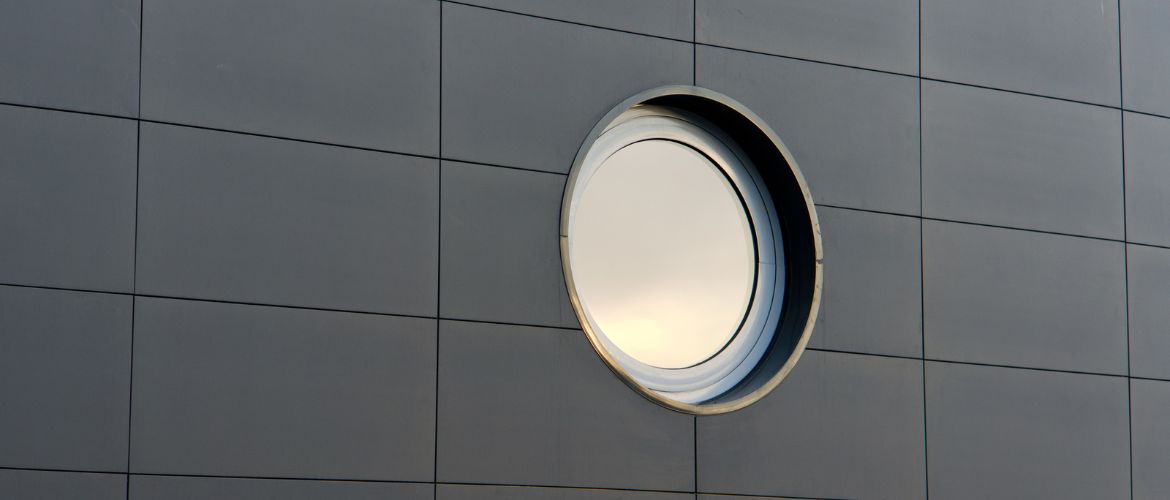
Porthole windows: What types of buildings are they being used in?
Traditionally associated with naval architecture, porthole windows have gained popularity across multiple architectural sectors thanks to their distinctive aesthetic, lighting and ventilation capacity, and versatility in different styles.
That’s one of the reasons why, at Mabelux, we created Obumat, our minimalist and elegant porthole window — a highly versatile option thanks to its multiple opening possibilities.
Nowadays, curved windows in general — and circular windows in particular — are being widely used in many types of buildings.
Curious why they’ve become a rising trend in modern architecture?
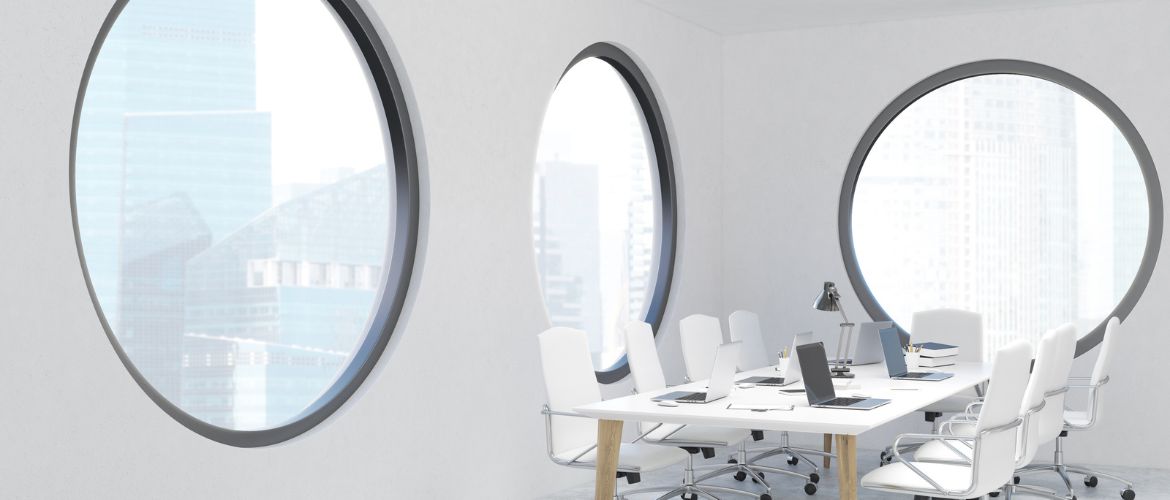
Porthole windows in contemporary homes
Modern homes have embraced porthole windows as an innovative option to break away from the rigidity of straight lines. Their inclusion in façades, bathrooms, and interior spaces allows for:
- Greater natural light, especially in hallways or areas where a conventional window wouldn’t fit.
- A unique decorative touch that adds sophistication and dynamism to architectural designs.
- Improved ventilation, especially in kitchens and bathrooms, where a circular tilting window enhances airflow.
These windows also serve as a stylish resource in minimalist homes, where simple design is complemented by functional, attractive geometric shapes.
Porthole windows in hotels and resorts
In the hospitality industry, the visual experience and connection with the surroundings are increasingly important to the guest experience. That’s why porthole windows are becoming more common in:
- Boutique hotels, seeking a unique aesthetic that blends modern and traditional elements.
- Coastal resorts, where they perfectly emulate nautical style and offer panoramic sea views.
Themed rooms, creating a special atmosphere in places inspired by navigation or vintage architecture, such as repurposed lighthouses.
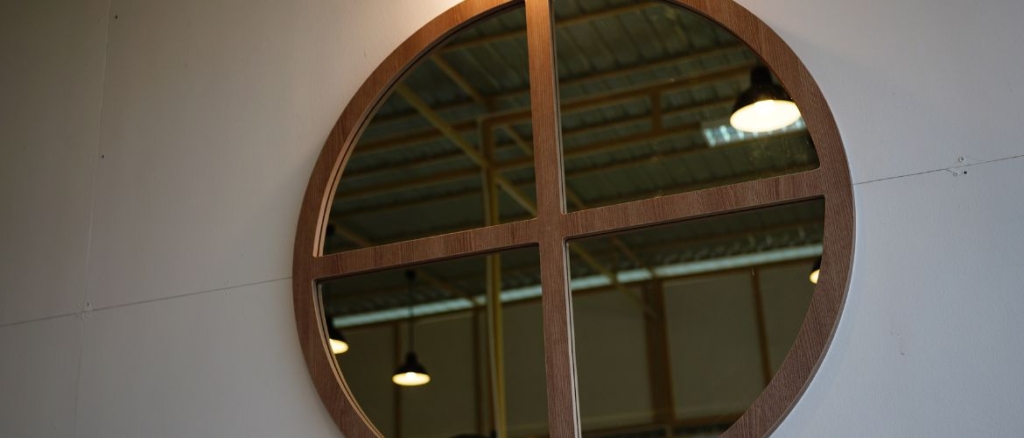
Porthole windows in restaurants and cafés
Porthole windows have also found their place in urban spaces. You’ll spot them in restaurants and cafés that want to stand out with a strong visual identity. What do these circular windows achieve?
- Create a cozy, distinctive atmosphere, acting as standout features in interior design.
- Maximize natural light, especially in smaller venues.
- Separate spaces without losing brightness, as circular windows can be integrated into interior partitions.
Of course, in establishments with a nautical, industrial, or vintage theme, porthole windows elegantly and functionally reinforce the decorative concept.
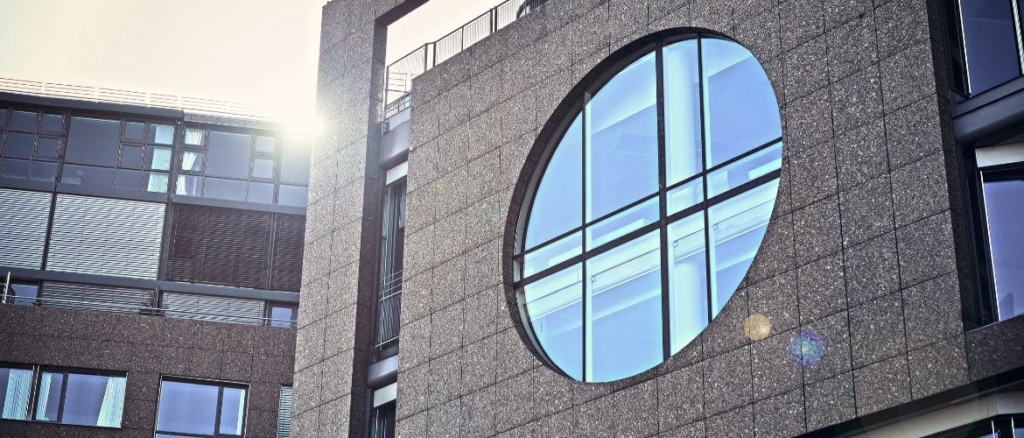
Porthole windows in commercial buildings and offices
We spend most of our time at work — and although remote work became widespread during the pandemic, we’ve kept the idea that workplaces must be comfortable. That’s why companies are increasingly seeking offices with innovative, flexible designs. Porthole windows have been incorporated into these spaces for several reasons:
- Optimize space and light, bringing brightness to meeting rooms or shared areas.
- Offer a modern design that breaks with the monotony of traditional office buildings.
- Create visual connections between areas, encouraging communication without sacrificing separation.
Many startups and creative companies have embraced these windows in their offices to convey a sense of innovation and originality.
Porthole windows in schools and libraries
Like workspaces, schools, universities, and libraries are places we spend many hours in. Porthole windows have proven to be an effective solution in educational settings thanks to:
- Increased natural light in classrooms and study rooms.
- An attractive and dynamic design that enhances the learning experience in visually engaging environments.
- Better acoustics, as some double-glazed versions help reduce external noise.
Porthole windows in gyms and wellness centers
Round windows enhance the feeling of spaciousness and relaxation. That’s why they’re now being installed in gyms, spas, and yoga studios. And it’s not just about aesthetics — porthole windows help create the perfect environment for these practices. Benefits include:
- A harmonious ambiance, with fluid, organic aesthetics that promote well-being.
- Strategic lighting in meditation and workout rooms.
- Panoramic views without compromising the design style.
Porthole windows in rural homes and eco-friendly housing
Porthole windows aren’t just about looks — new trends in sustainable architecture have made them increasingly common in green building designs. Why?
- Greater energy efficiency, as they allow more natural light and reduce the need for artificial lighting.
- Seamless integration with the natural environment, since their organic shape harmonizes with the landscape.
- Use in green roofs and eco-domes, optimizing air circulation and interior lighting.
As you can see, porthole windows have evolved into an essential element of modern architecture
Their versatility and ability to adapt to different environments and needs make them an increasingly sought-after option in the design of innovative and attractive spaces.

Obumat: the future of porthole windows
At Mabelux, we’ve been working with curved structures for many years, and porthole windows are a timeless classic that simply needed an update. That’s why we created Obumat— the ideal solution for those seeking porthole windows with minimalist design, high quality, and great functionality.
Obumat is the classic porthole window — with today’s technology.
It’s available in a wide range of opening types, from fixed to pivoting and tilt-opening systems, adapting to any architectural need.
Made with high-quality aluminum, it guarantees strength, durability, and energy efficiency.
With clean lines and ultra-slim profiles, these round windows add a sophisticated touch to any space. If you’re looking for customization, innovation, and easy installation, Obumat is the porthole window you need.
